5 Cheapest Electric Cars in South Africa (2026)
Published · Last updated
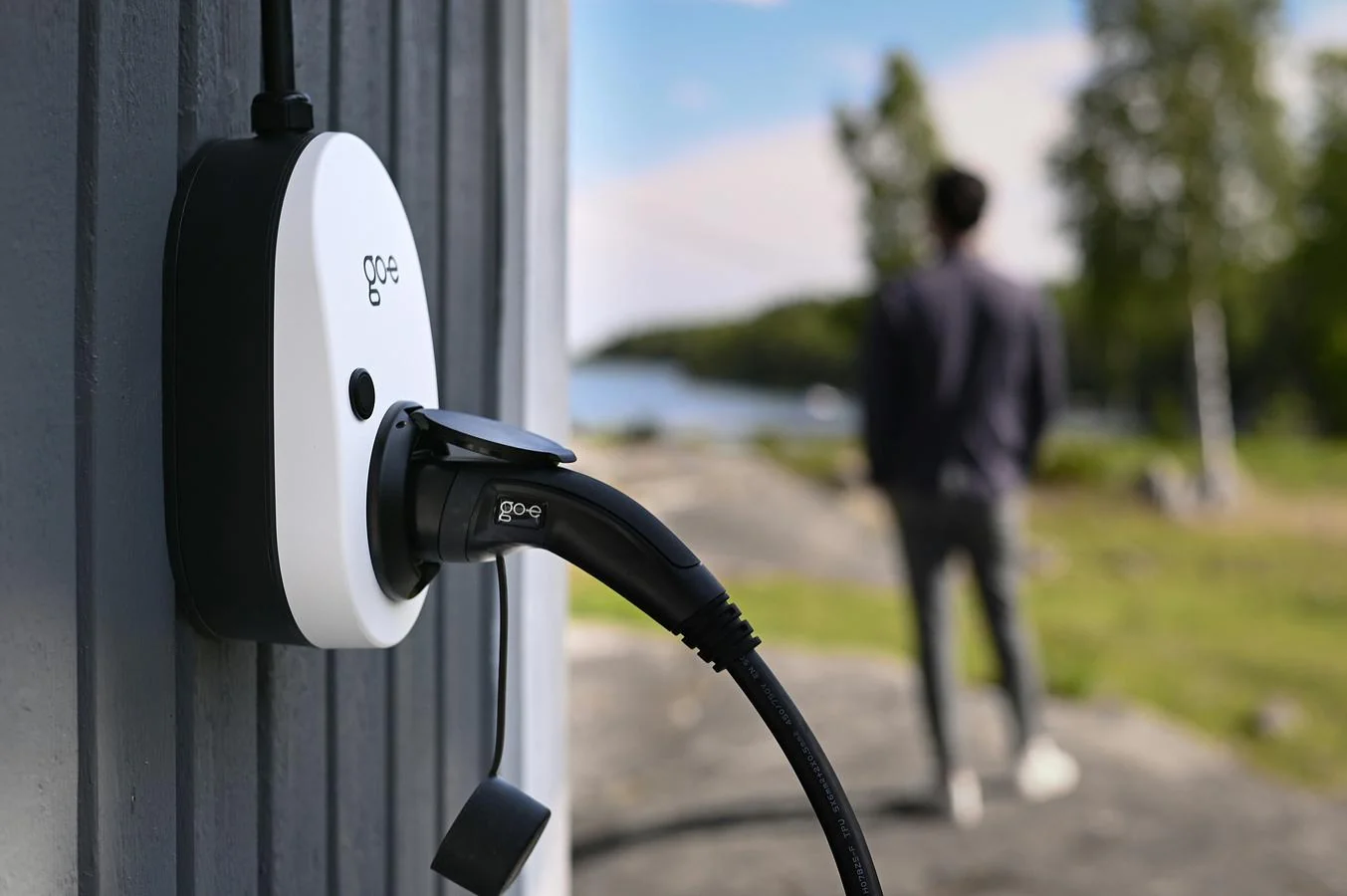
Top 5 Budget-Friendly EVs in South Africa for 2026
Electric cars in South Africa now start below R350,000-less than many petrol hatchbacks sitting in dealership showrooms. That shift has happened quickly, driven largely by Chinese manufacturers entering the market with aggressive pricing.
This guide covers the five most affordable EVs currently available, what each one offers for the price, and how to calculate whether the switch makes financial sense for your specific driving patterns and location.
Why Budget EVs Are Gaining Ground in South Africa
The most affordable electric vehicles in South Africa right now come predominantly from Chinese manufacturers. The BYD Dolphin Surf leads the pack at R339,900, which actually undercuts many petrol hatchbacks like the VW Polo. That price point has shifted the entire conversation around EV affordability in this market.
Petrol prices have stayed above R25 per litre for some time now, while home electricity tariffs sit around R3/kWh in most provinces. The gap between those two figures is where EV savings come from. A driver spending R3,000 monthly on petrol might spend under R1,000 for equivalent electric kilometres.
- Lower entry prices: Several EVs now start under R400,000, bringing electric cars into the same bracket as mid-range petrol vehicles
- Running cost difference: Electricity costs roughly 70% less per kilometre than petrol at current rates
- Charging network growth: GridCars, Audi Charge, and BMW ChargeNow continue adding stations along major routes and in urban centres
1. BYD Dolphin Surf
The Dolphin Surf currently holds the title of South Africa's cheapest new electric car. More importantly, it's a genuinely usable daily driver rather than a compromised budget option.
Starting price and value
The Comfort variant starts at R339,900, with the Dynamic model at R389,900. For context, a well-specced VW Polo costs more than the entry-level Dolphin Surf. BYD has established a growing dealer network in South Africa, so service access is less of a concern than with some newer brands.
Battery and driving range
Battery options include 30.08kWh and 38.88kWh depending on the variant. WLTP range sits between 232km and 295km. Real-world driving typically delivers slightly less, but most daily commutes fall well under 50km. That means charging once or twice a week for typical urban use.
Features and cabin space
The interior centres around a 12.8-inch rotating touchscreen and digital instrument cluster. Boot space comes in at 300 litres, which handles weekly shopping or a weekend bag without issue. For a car under four metres long, the cabin feels surprisingly spacious.
Suitability for South African roads
The 55kW motor handles city traffic comfortably. Highway overtaking requires more planning since acceleration is modest. Ground clearance works for well-maintained roads, though this is primarily designed for urban environments. If your daily routine involves Johannesburg or Cape Town traffic, the Dolphin Surf fits that use case well.
2. Dayun S5
Dayun is a newer name in South Africa's EV market. The S5 targets buyers focused primarily on purchase price, with some trade-offs in power and brand recognition.
Starting price and value
The S5 starts from approximately R399,900. Dayun's local presence is still developing, so checking service point availability in your area makes sense before committing. The price undercuts most competitors while still delivering usable range.
Battery and driving range
A 44.9kWh battery provides around 330km of claimed range. However, the 35kW motor limits acceleration noticeably. You'll feel that power ceiling on inclines and when merging onto highways. For flat urban driving, the range-to-price ratio is competitive.
Features and cabin space
Interior appointments are basic but functional. You get air conditioning, a touchscreen infotainment system, and reasonable rear legroom. The experience is utilitarian rather than premium, which aligns with the price point.
Suitability for South African roads
The S5 works best as an urban commuter. Limited power output makes it less suited to long highway stretches or hilly terrain. For predominantly city-based driving with occasional suburban trips, it delivers on its core promise of affordable electric mobility.
3. Dongfeng Box E1 330
The Dongfeng Box represents another Chinese entrant targeting budget-conscious urban drivers. It's designed as a compact city runabout rather than a versatile family car.
Starting price and value
Pricing starts from around R459,000, placing the Box E1 330 in the middle of the budget EV segment. The compact dimensions and focused urban design explain the positioning.
Battery and driving range
The battery delivers approximately 330km of range, which handles weekly commuting without daily charging for most drivers. Compact dimensions mean a smaller battery can still provide adequate range for the intended use case.
Features and cabin space
This is a genuinely compact car. Two adults up front will be comfortable, while rear passengers and cargo space are more constrained. Tech features are straightforward and functional.
Suitability for South African roads
The Box excels in tight urban environments where parking is limited and traffic moves slowly. For suburban or rural buyers, or those regularly travelling between cities, other options on this list offer more versatility.
4. BYD Dolphin
The standard Dolphin sits above the Surf in BYD's lineup. It offers more range and features for buyers willing to spend more upfront.
Starting price and value
Starting from R539,900, the Dolphin costs roughly R200,000 more than the Surf. That premium buys a larger battery, more power, and additional features. Whether the trade-off makes sense depends on your driving patterns and how often you travel longer distances.
Battery and driving range
The larger battery delivers around 340km to 427km of range depending on the variant. For drivers who regularly travel between Johannesburg and Pretoria, or who prefer charging less frequently, the extra capacity adds genuine convenience.
Features and cabin space
Interior quality steps up noticeably from the Surf, with better materials and a more refined cabin. The same rotating touchscreen features, but overall fit and finish feels more polished throughout.
Suitability for South African roads
With more power available, the Dolphin handles mixed driving conditions more confidently. Highway cruising feels less strained, and the additional range opens up weekend trip possibilities without constant range calculations.
5. GWM Ora 03
The Ora 03, formerly known as the Ora Cat, represents the upper end of the budget EV segment. It offers a more premium experience while staying below the R700,000 mark.
Starting price and value
Starting from around R686,950, the Ora 03 costs significantly more than the other vehicles on this list. However, it delivers features and range that compete with EVs priced well above R800,000.
Battery and driving range
The larger battery provides approximately 400km of real-world range. That's enough for a Johannesburg to Durban trip with one charging stop. For buyers who want genuine long-distance capability without stepping into premium pricing, the Ora 03 offers a compelling option.
Features and cabin space
The retro-inspired design stands out in a segment of fairly anonymous styling. Inside, you get a well-appointed cabin with quality materials, a comprehensive infotainment system, and comfortable seating for four adults.
Suitability for South African roads
The Ora 03 is the most versatile vehicle on this list. It handles urban commuting, highway cruising, and occasional long trips with equal competence. If your budget stretches this far and you want one EV to cover multiple use cases, the Ora 03 delivers across the board.
| Model | Starting Price | Battery | Range (WLTP) | Best For |
|---|---|---|---|---|
| BYD Dolphin Surf | R339,900 | 30–38 kWh | 232–295 km | Urban commuting |
| Dayun S5 | R399,900 | 44.9 kWh | 330 km | Budget city driving |
| Dongfeng Box E1 | R459,000 | ~33 kWh | 330 km | Compact city use |
| BYD Dolphin | R539,900 | 44–60 kWh | 340–427 km | Mixed urban/highway |
| GWM Ora 03 | R686,950 | 48–63 kWh | ~400 km | All-round versatility |
How to Compare EV Running Costs in South Africa
Purchase price tells only part of the story. The real savings from an EV come from lower running costs, and those savings vary depending on where you live and how you charge.
Your provincial electricity tariff determines what you'll pay per kilometre. Gauteng, Western Cape, and KwaZulu-Natal all have different rates, typically ranging from R2.50 to R3.50 per kWh under current NERSA/Eskom 2024/25 tariffs.
- Home charging costs: At R3/kWh, charging a 40kWh battery from 20% to 80% costs approximately R72 for roughly 250km of driving
- Charging time: A full charge from 20% to 80% takes anywhere from 4 to 8 hours on a standard home charger, depending on battery size
- Fuel comparison: The difference between R25+ per litre petrol and R3/kWh electricity is where the savings accumulate over time
Tip: The EV Cost Calculator lets you select a specific vehicle and enter your province to see personalised charging costs based on current tariffs rather than generic estimates.
What to Consider Before Buying a Budget EV
A few practical factors can significantly affect your EV ownership experience, particularly at the budget end of the market.
Home charging is the most convenient and cost-effective option. If you're in an apartment or complex without dedicated parking, checking public charging availability along your regular routes becomes more important. The charging networks are growing, but coverage varies by area.
- Daily driving distance: Match your typical kilometres to the vehicle's realistic range. If you drive 40km daily, even the smallest battery on this list provides a comfortable buffer
- Warranty and service network: Established brands like BYD have growing dealer networks, while newer entrants may have limited service points outside major cities
- Resale considerations: The budget EV market is evolving rapidly, and vehicles from recognised manufacturers typically hold value better than lesser-known brands
Find the Right Budget EV for Your Driving Needs
Choosing between these five vehicles comes down to your specific circumstances. A Dolphin Surf makes sense for urban commuters who want the lowest possible entry point. The Ora 03 suits buyers who want more range and are willing to pay for it.
Before deciding, calculating what you'd save based on your actual driving patterns can clarify the decision. Enter your current fuel spend, select an EV from the list, and choose your province to see a personalised comparison.
Compare your fuel costs to EV charging costs →
FAQs About Budget-Friendly EVs in South Africa
What is the most affordable EV currently on sale in South Africa?
The BYD Dolphin Surf holds this position, starting from R339,900 for the Comfort variant.
What is the most popular electric vehicle in South Africa?
Based on recent sales figures, the BYD Atto 3 and Dolphin range have dominated registrations, though the Mini Cooper SE and BMW iX3 remain popular in the premium segment.
Is buying an electric car worth it in South Africa?
For most drivers, the fuel savings alone can justify the switch, particularly with access to home charging. With petrol above R25 per litre and electricity around R3/kWh, many owners report significant reductions in their monthly fuel costs.
What does the 80% charging rule mean for electric vehicles?
Charging to 80% rather than 100% preserves long-term battery health and is significantly faster. Most daily driving doesn't require a full charge, so this practice costs little convenience while extending battery lifespan.
How much does home charging cost for an EV in South Africa?
Costs vary by province, but at an average tariff of R3/kWh, charging a 40kWh battery from 20% to 80% costs approximately R72. That covers roughly 250km of driving.
How long does it take to charge a budget electric vehicle at home?
On a standard 7kW home charger, expect 4 to 8 hours for a full charge depending on battery size. Most owners plug in overnight and wake up to a full battery.