Best Home EV Chargers in South Africa (2026 Guide)
By EV Cost Calculator Team · Published · Last updated
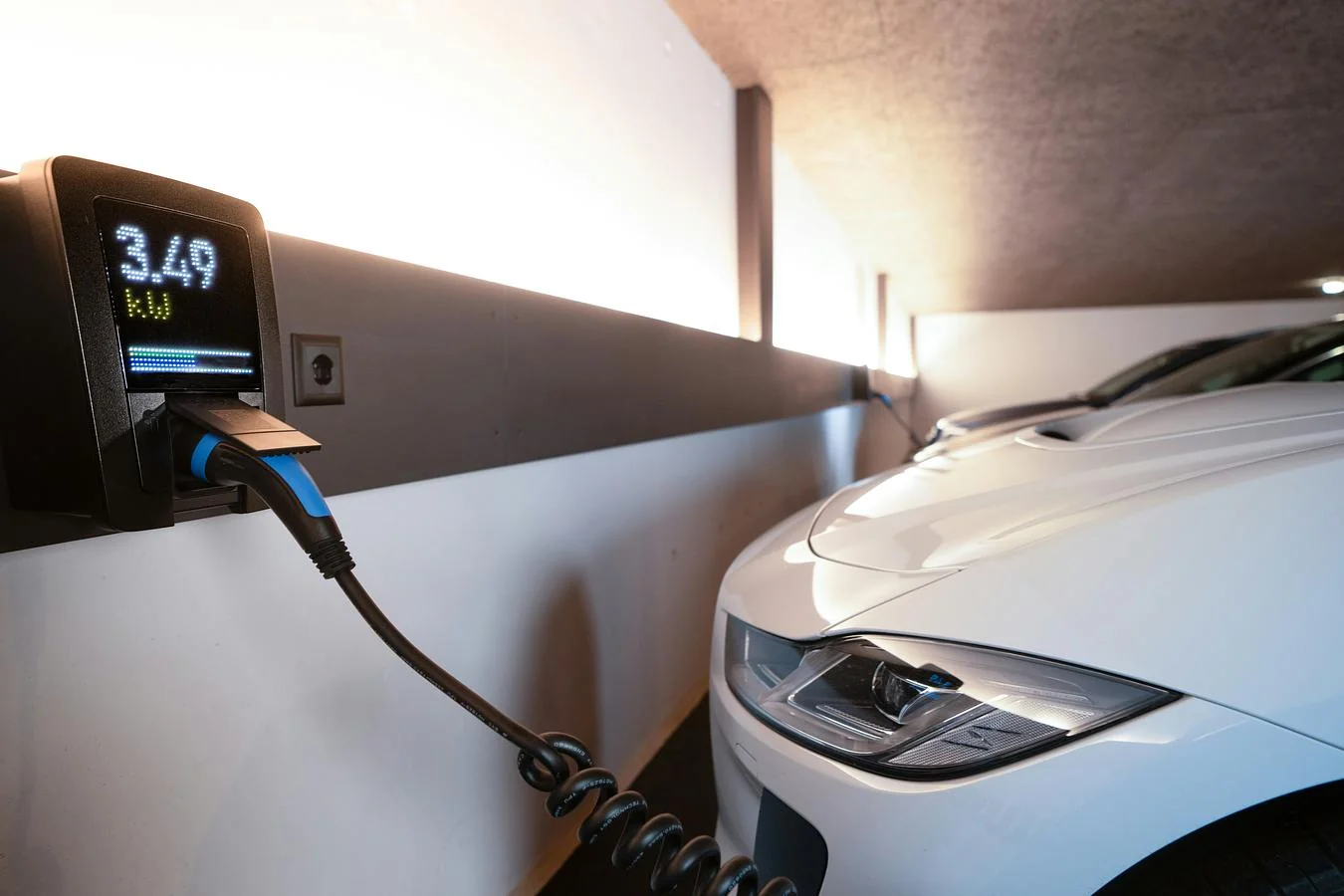
Best Home EV Chargers in South Africa: 2026 Buyer's Guide
Charging at home is where EV ownership actually becomes cheaper than running a petrol car. With electricity rates averaging around R3/kWh compared to petrol above R25 per litre, the maths works out clearly in your favour-but only if you pick the right charger for your setup.
This guide covers the best home EV chargers currently sold in South Africa, what they cost including installation, and how to match a charger to your specific EV and electrical supply.
Best home EV chargers available in South Africa
The best home EV chargers in South Africa for 2026 include reliable wallboxes and portable units from providers like GridCars, Wallbox, and EV Charge, with power outputs ranging from 3.7kW to 22kW. For most South African homes running on single-phase electricity, a 7.4kW wallbox delivers the right balance-fast enough to fully charge a typical EV battery overnight, yet compatible with standard residential electrical capacity.
| Brand/Model | Power Output | Key Feature | Price Range (R) | Best For |
|---|---|---|---|---|
| Suntree Portable | 3.7kW | Adjustable current | R4,500–R6,000 | Budget buyers, renters |
| Wallbox Pulsar Plus | 7.4kW | App control & scheduling | R12,000–R18,000 | Smart home integration |
| ABB Terra AC | 7.4–22kW | Commercial-grade build | R15,000–R25,000 | Durability-focused buyers |
| Schneider EVlink | 7.4–22kW | Safety certifications | R14,000–R22,000 | Electrical system integration |
| GridCars Home | 7.4kW | Local support network | R10,000–R16,000 | SA-based customer service |
| GeeWiz EVSE | 7.4kW | Basic app connectivity | R8,000–R12,000 | Entry-level smart charging |
Suntree portable EV charger
The Suntree portable charger starts at around R4,890, making it one of the most affordable options available locally. It plugs into a standard wall outlet and lets you adjust the current draw, which is handy if you're on an older electrical system or want to avoid tripping breakers. Renters often gravitate toward portable chargers like this one since there's no permanent installation involved.
Wallbox Pulsar Plus
Wallbox has earned a solid reputation internationally, and the Pulsar Plus brings that quality to South African homes. The unit is compact enough to mount in tight garage spaces, and the app lets you schedule charging sessions, monitor energy consumption, and set spending limits. If you're on a time-of-use tariff, the scheduling feature alone can pay for itself over time.
ABB Terra AC wallbox
ABB manufactures charging equipment for commercial sites across the world, and their residential Terra AC wallbox reflects that industrial heritage. The build quality is noticeably more robust than budget options, which matters if your charger sits outdoors or in a dusty garage. The higher price makes sense for homeowners who plan to keep the same charger for a decade or longer.
Schneider Electric EVlink
Schneider Electric is a familiar name in South African electrical infrastructure, so finding qualified installers and replacement parts is straightforward. The EVlink range carries strong safety certifications and integrates cleanly with existing home electrical systems. For buyers who value brand recognition and local support, Schneider offers peace of mind.
GridCars home charger
GridCars operates South Africa's largest public charging network, and their home chargers benefit from that local expertise. If you already use GridCars public stations, having the same app and support ecosystem at home simplifies your overall charging experience. The company also offers installation services in major metros, which streamlines the buying process.
GeeWiz EVSE smart home charger
GeeWiz offers a middle ground for buyers who want smart features without paying premium prices. You get basic app connectivity and load balancing at a lower cost than international brands, though the feature set is more limited. For straightforward home charging without advanced automation, it handles the job well.
Types of home EV chargers
Charger types differ mainly in power output, measured in kilowatts (kW). Higher kW means faster charging, but your home's electrical supply determines what you can actually install.
Level 1 portable chargers
Level 1 chargers plug into a standard 3-pin household socket and deliver around 2.3–3.7kW. They're the slowest option, typically adding 10–15km of range per hour of charging. However, they require zero installation work.
For plug-in hybrids with smaller batteries or drivers covering short daily distances, Level 1 charging often proves sufficient. The charger that comes bundled with many new EVs falls into this category.
Level 2 7kW wall chargers
A 7kW wall charger is the most popular choice for South African homes with single-phase power. It requires a dedicated circuit and professional installation, yet works with the electrical supply most homes already have. Expect to add roughly 40km of range per hour, which means a full overnight charge for most EVs.
Level 2 11kW chargers for 3-phase homes
If your home has 3-phase electrical supply-common in newer estates and some older properties-you can step up to 11kW charging. This cuts charging time noticeably, adding around 60km of range per hour.
Not sure what phase type you have? Check your DB board or ask an electrician during a site assessment. Three-phase installations have a specific breaker configuration that's easy to identify.
Level 2 22kW fast home chargers
The fastest home charging option delivers 22kW, though it requires 3-phase power and potentially electrical upgrades. This speed suits high-mileage drivers or households with multiple EVs.
One important caveat: many EVs can only accept 7–11kW AC charging regardless of what your wall charger offers. The car's onboard charger, not the wall unit, determines the actual charging speed.
Home EV charger prices in South Africa
Budgeting for a home charger means accounting for both the equipment and the installation work. The total investment varies depending on your home's electrical setup and how far the charger sits from your DB board.
Equipment costs by charger type
| Charger Type | Price Range (R) |
|---|---|
| Portable (3.7kW) | R4,500–R8,000 |
| Basic wall (7kW) | R6,000–R12,000 |
| Smart wall (7kW) | R10,000–R18,000 |
| Premium smart (11–22kW) | R15,000–R30,000 |
Prices shift based on brand, features, and where you buy. Online retailers like EV Charge and GeeWiz often undercut traditional electrical suppliers.
Installation costs and electrical requirements
Installation typically runs between R3,000 and R10,000, depending on complexity. A straightforward job with the charger mounted near the DB board and minimal cabling sits at the lower end.
- Basic installation: Short cable run from DB board, no upgrades required
- Complex installation: Long cable runs, outdoor trenching, or DB board upgrades
- Certificate of Compliance (CoC): Required for all electrical work, usually included in professional quotes
Older homes sometimes require DB board upgrades to handle the additional load, which can add R5,000–R15,000 to the total cost.
Complete package price examples
A budget setup using a portable charger with no installation might cost R5,000 total. A mid-range 7kW smart wallbox with standard installation typically lands between R15,000 and R25,000. Premium installations with 22kW chargers and electrical upgrades can reach R40,000 or more.
Home charging electricity costs by province
Electricity tariffs vary across South African municipalities, which directly affects monthly charging costs. Knowing your local rate helps you estimate running costs before buying an EV.
Residential tariffs in major cities
| City/Municipality | Approximate Tariff (R/kWh) | Time-of-Use Available |
|---|---|---|
| Johannesburg (City Power) | R2.80–R3.20 | Yes |
| Cape Town | R2.90–R3.40 | Yes |
| eThekwini (Durban) | R2.70–R3.10 | Limited |
| Tshwane (Pretoria) | R2.60–R3.00 | Yes |
Tariff figures reflect 2024/25 NERSA-approved rates and vary by consumption block and tariff structure. Prepaid customers often pay different rates than conventional meter users.
Home charging vs petrol cost comparison
With petrol consistently above R25 per litre and home electricity averaging around R3/kWh, the running cost gap is substantial. A typical EV uses roughly 15–18kWh per 100km, costing around R45–R55 in electricity. The same distance in a petrol car consuming 7L/100km costs approximately R175.
The Fuel vs EV Comparison Calculator shows personalised estimates based on your actual driving patterns and provincial electricity tariff.
How to install a home EV charger
Getting a home charger installed follows a predictable process. Working with qualified professionals ensures safety and compliance with South African electrical regulations.
Step 1. Book an electrical assessment
An electrician visits your property to check DB board capacity, measure the distance to your parking spot, and confirm whether you have single-phase or three-phase power. Most installers offer this assessment free or refund it against the installation cost.
During the visit, point out where you'd like the charger mounted and discuss any aesthetic preferences. The electrician can advise on cable routing options that minimise visual impact.
Step 2. Get a quotation and select your charger
Request itemised quotes from at least two installers. Look for clear breakdowns of equipment, labour, materials, and any upgrade work. Confirm warranty terms and ask about after-sales support before committing.
Some installers bundle the charger purchase with installation, while others expect you to source equipment separately. Either approach works, though bundled packages often include better warranty coverage.
Step 3. Complete professional installation
Installation typically takes half a day for straightforward jobs. The electrician mounts the charger, runs cabling, connects to your DB board, and tests the system thoroughly.
Upon completion, the electrician issues a Certificate of Compliance. This document proves the work meets South African electrical standards and is essential for insurance purposes. Keep it with your home's other compliance certificates.
How to choose the right home EV charger
Matching your charger to your specific situation avoids overspending on features you won't use or buying equipment that doesn't suit your EV.
Match charger power to your EV model
Your EV's onboard charger limits how fast it can accept AC power, regardless of what your wall charger delivers. A 22kW wall charger won't charge a BYD Dolphin any faster than a 7kW unit because the Dolphin's onboard charger maxes out at 7kW.
- Check your EV's AC charge rate: Listed in the vehicle specifications under "onboard charger" or "AC charging"
- Avoid overbuying: A 22kW wall charger offers no benefit if your EV only accepts 7kW
- Compare charging times: The EV Cost Calculator shows charging duration for specific vehicles
Smart features worth paying for
Smart chargers offer app control, scheduled charging, and energy monitoring. Scheduling lets you charge during off-peak tariff periods where available, potentially saving 20–30% on charging costs. Energy monitoring tracks exactly what you're spending each month.
Load balancing is another useful feature. It prevents your charger from tripping your home's main breaker during high-demand periods by automatically reducing charging speed when other appliances draw power.
Wall-mounted vs portable chargers
Wall-mounted chargers offer faster charging and a cleaner installation, while portable units provide flexibility. If you're renting, own multiple properties, or simply want a backup for road trips, a quality portable charger makes sense as a starting point.
Many EV owners eventually install a wall charger at home while keeping a portable unit in the boot for emergencies or travel.
Solar integration with home EV chargers
Combining solar panels with EV charging reduces grid dependence and can lower running costs further. Given South Africa's electricity challenges, solar-EV combinations have become increasingly popular.
Some chargers include excess solar diversion, automatically increasing charging speed when your panels produce more than your home consumes. Others integrate with home energy management systems to schedule charging based on solar production forecasts. Brands like SolarEdge offer chargers specifically designed for solar integration.
Home EV charging during load shedding
Load shedding affects EV charging like any other electrical appliance. Without backup power, charging simply pauses when the grid goes down and resumes when power returns.
- Without home battery: Charging stops during load shedding, resumes automatically afterward
- With home battery: Charging may continue depending on inverter capacity and battery size
- Scheduled charging: Smart charger features help you charge during predictable windows between stages
- Solar plus battery: The most resilient option for uninterrupted charging
If you have a home inverter system, check whether it can handle the additional load of EV charging. Many smaller inverters lack the capacity to run a 7kW charger alongside household essentials.
Frequently asked questions about home EV chargers
Can you charge an electric car at home in South Africa?
Yes, most South African homes can support EV charging. Standard homes with single-phase power can use chargers up to 7kW, while homes with 3-phase power can install faster 11kW or 22kW units. Even a standard wall socket works for slow overnight charging, though dedicated chargers are faster and safer for daily use.
How long does a 7kW home charger take to fully charge an EV?
Charging time depends on your EV's battery size and starting charge level. A 60kWh battery charging from 20% to 80% takes roughly 5–6 hours at 7kW. The EV Cost Calculator provides estimates specific to your vehicle model and charging scenario.
Does a home EV charger require 3-phase power?
No, the most common 7kW home chargers work with standard single-phase power. Only 11kW and 22kW chargers require 3-phase electrical supply. Most South African homes have single-phase power, which is sufficient for overnight charging.
Can you install an EV charger in a sectional title complex?
Yes, though you'll typically require body corporate approval and may face questions about shared electricity metering. Some complexes now include EV charging provisions in their conduct rules, so check your scheme's documentation first. Individual metering solutions exist for complexes where shared billing is a concern.
Can you charge an EV during load shedding with a home battery?
It depends on your inverter capacity and battery size. Some home battery systems can power EV charging, but you may have to limit the charging rate to avoid overloading your backup system. A 5kW inverter, for example, cannot run a 7kW charger at full speed while also powering household essentials.