Petrol Could Fall R2.70 in December, Then Jump Again in January
By EV Cost Calculator Team · Published · Last updated
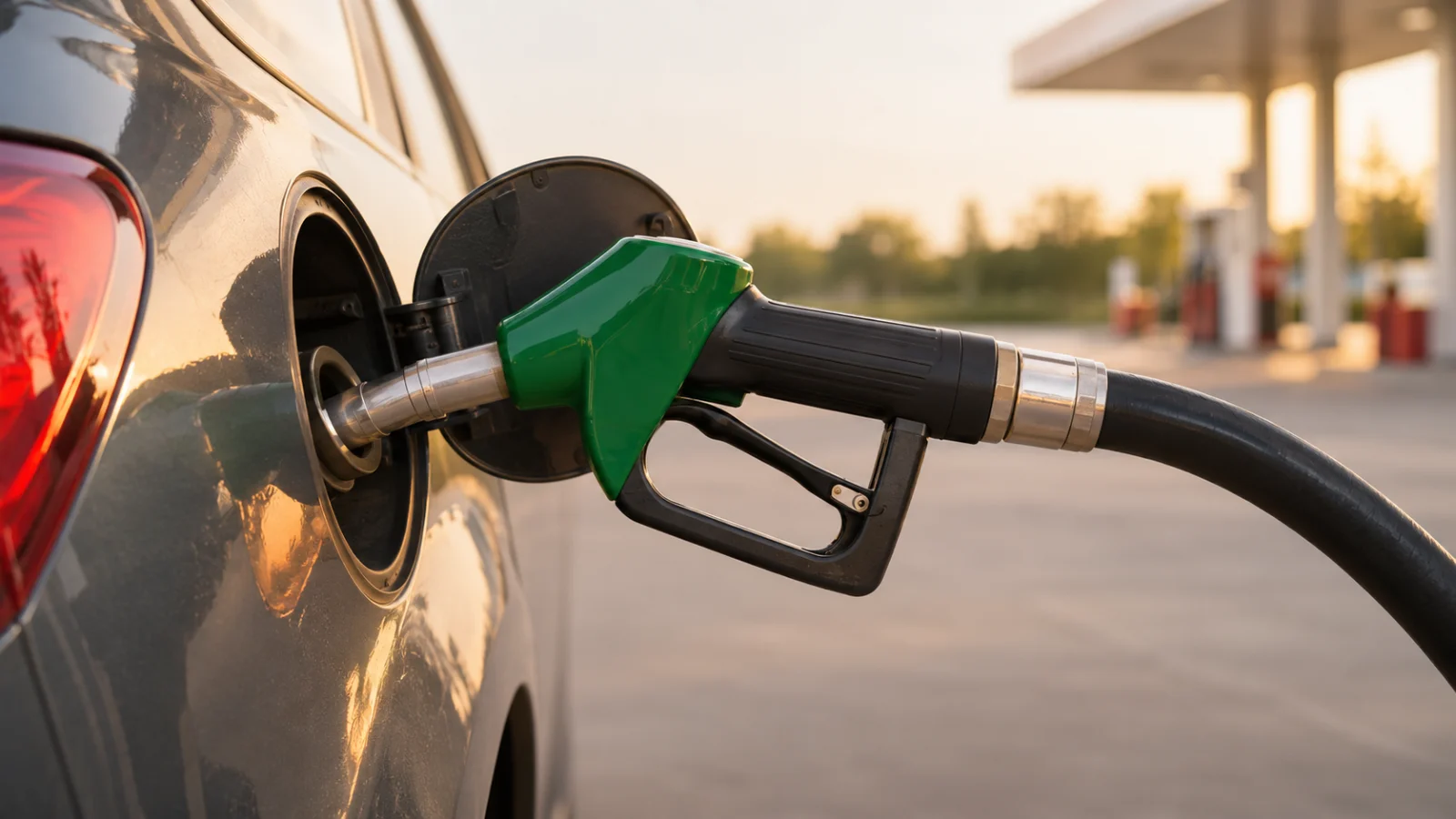
Mid-month data points to a petrol cut of roughly R2.35 to R2.73 a litre on 2 December. Enjoy it while it lasts, because the temporary fuel levy relief ends on 5 January 2027 and takes about R1.00 a litre on petrol and R1.50 on diesel back with it.
This is a two-step story and most coverage only tells you the first half. Here is both.
Where prices are now
The November adjustment, effective 4 November 2026, was lopsided. Petrol barely moved while diesel fell sharply.
| Grade | Change | Inland | Coastal |
|---|---|---|---|
| Petrol 93 | Down 1 cent | R29.87 | R29.08 |
| Petrol 95 | Down 1 cent | R30.24 | R29.37 |
| Diesel 500ppm (wholesale) | Down 109.82 cents | R30.85 | R29.98 |
| Diesel 50ppm (wholesale) | Down 119.82 cents | Not published | R30.83 |
Figures from the Department of Mineral and Petroleum Resources statement of 3 November 2026, as reported by Stuff and CarMag.
Two things cancelled each other out on petrol. The Medium Term Budget Policy Statement cut the general fuel levy, which should have lowered prices substantially. But the slate levy rose from 87.66 cents to 135.84 cents a litre, an increase of 48.18 cents, to recover a cumulative slate deficit of R15.876 billion at the end of September.
What December looks like
Mid-November Central Energy Fund data suggests a significant cut. Estimates differ.
| Source | Projected petrol 95 cut | Projected petrol 93 cut |
|---|---|---|
| BusinessTech, week two data | About R2.73 | About R2.47 |
| IOL and The Mercury | About R2.62 | About R2.35 |
Projections from BusinessTech and The Mercury. If the larger figure holds, inland 95 would land near R27.51 and inland 93 near R27.40.
Diesel is less clear. It faces R1.50 of levy relief coming back, which largely offsets the oil price gain, so diesel could end up roughly flat or slightly higher.
These are projections, not prices. They are based on partial-month data and will change with oil and the rand before the official announcement in late November. The adjustment takes effect on Wednesday 2 December.
The driver is Brent crude, which fell about 15 percent to below 100 US dollars a barrel after the US midterm elections.
The January cliff
This is the part worth planning around.
The MTBPS announced R10 billion in temporary fuel levy relief, delivered in two steps, per Daily Maverick and SABC News.
| Period | Petrol relief | Diesel relief |
|---|---|---|
| 4 November to 1 December 2026 | R1.50 a litre | R3.00 a litre |
| 2 December 2026 to 5 January 2027 | R1.00 a litre | R1.50 a litre |
| From 6 January 2027 | None | None |
So the December cut already has 50 cents of relief withdrawn baked into it. And after 5 January, the remaining relief disappears entirely.
All else equal, that adds about R1.00 a litre to petrol and R1.50 to diesel in January, before any movement in oil prices or the rand. If Brent stays where it is, January could give back a meaningful chunk of what December delivers.
The practical implication. If you are driving over the festive season, December is the cheaper month to fill up and to travel. If you run a business on diesel, the January increase is a known cost that you can budget for now rather than be surprised by.
Work out what the change does to your own monthly fuel bill with our fuel fill up cost calculator.
What this does to inflation and interest rates
Fuel has been the dominant inflation driver all year. Statistics South Africa put headline inflation at 4.5 percent in September 2026, with transport inflation at 10.8 percent and the fuel index up 27.9 percent year on year.
IOL notes that between January and September, petrol rose R6.13 a litre and 500ppm diesel R10.66 a litre.
Food inflation, by contrast, was 1.2 percent. The squeeze has been almost entirely about getting around, not about eating.
A large December fuel cut should ease the inflation print. But the January levy restoration pushes the other way, which is part of why the rate outlook is genuinely uncertain. The repo rate is 7.25 percent and prime is 10.75 percent after a unanimous 25 basis point increase in September, per Nedbank. Forecasters are split between a hold and a further increase.
The longer view
It is worth keeping perspective on a R2.70 cut. Inland 95 started 2026 at R20.75. Even at a projected R27.51 in December, that is still roughly R6.75 a litre more than at the start of the year.
A 50 litre tank at R27.51 costs R1,375.50. At January's R20.75 it cost R1,037.50. The December cut is real relief, but it is relief from a very high base, not a return to normal.
That is the context in which the running cost gap between petrol and electricity still matters. Even at R27.50 a litre, a petrol car at 7 litres per 100 km costs about R193 per 100 km. Charging an electric car at home on a typical metro rate of around R4.17 per kWh, at 15 kWh per 100 km, costs about R63. Run your own comparison with our EV versus petrol running cost calculator.
Frequently asked questions
Will the petrol price drop in December 2026?
Mid-November Central Energy Fund data points to a cut of roughly R2.35 to R2.73 a litre on petrol, effective 2 December. These are projections based on partial-month data and the official figure is announced in late November.
What is the petrol price in South Africa now?
From 4 November 2026, inland 95 costs R30.24 and inland 93 costs R29.87. At the coast, 95 costs R29.37 and 93 costs R29.08.
When does the fuel levy relief end?
On 5 January 2027. Relief drops from R1.50 to R1.00 a litre on petrol from 2 December, and from R3.00 to R1.50 on diesel, then falls away entirely in January.
Will petrol go up in January 2027?
All else equal, yes. The end of levy relief adds about R1.00 a litre to petrol and R1.50 to diesel from 6 January, before any change in oil prices or the exchange rate.
Why did diesel fall so much more than petrol in November?
Diesel received R3.00 a litre of levy relief against R1.50 for petrol. On petrol, that relief was largely cancelled out by a 48.18 cent increase in the slate levy, which recovers a cumulative deficit of R15.876 billion.