Electric Car Maintenance: Do EVs Really Cost Less?
By EV Cost Calculator Team · Published · Last updated
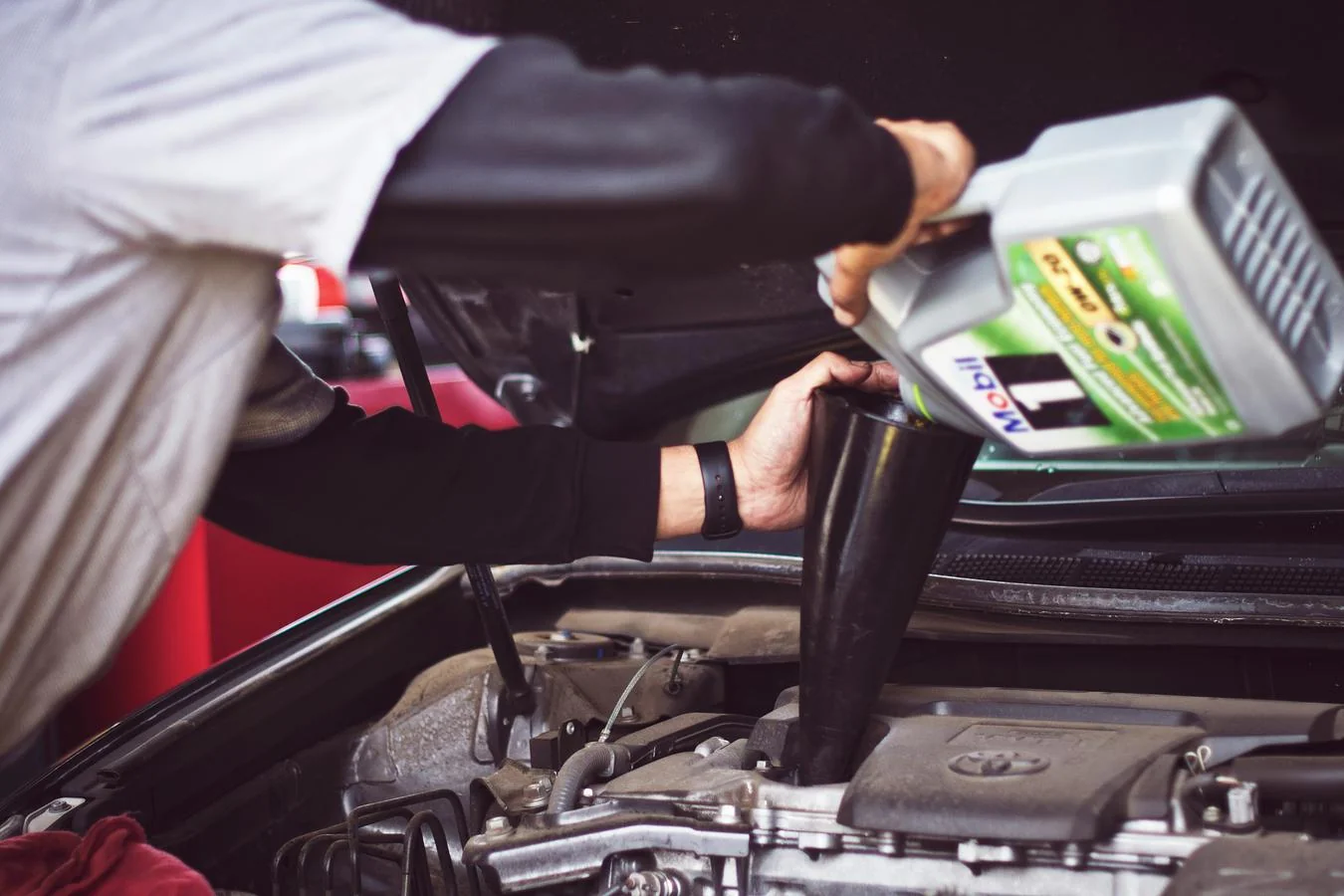
Do Electric Vehicles Really Cost Less to Maintain?
Petrol cars demand regular oil changes, transmission servicing, and exhaust repairs. Electric vehicles skip most of that entirely-and the savings add up faster than you might expect.
This guide breaks down exactly which maintenance costs disappear with an EV, which ones remain, and how the numbers compare for South African drivers.
Are electric cars cheaper to maintain
Yes, electric vehicles are generally much cheaper to maintain than petrol cars. The savings typically range from 40–50% over the vehicle's lifetime, which can add up to thousands of rands each year. The reason comes down to engineering: EVs have far fewer moving parts than internal combustion engine vehicles, so there are simply fewer components that can wear out or fail.
Think about what happens under the bonnet of a petrol car. You've got pistons firing, belts spinning, fluids circulating through multiple systems, and an exhaust routing hot gases out the back. An EV, by contrast, has an electric motor, a battery pack, and a relatively simple drivetrain. Fewer parts means fewer things to service, replace, or repair.
In South Africa, where labour rates and imported parts can make servicing expensive, this simpler design translates into real savings at the workshop.
What maintenance do electric vehicles eliminate
The list of traditional maintenance tasks that EVs skip entirely is surprisingly long. If you've owned a petrol car for any length of time, you'll recognise most of these as regular expenses.
No oil changes or fluid top-ups
Electric motors don't use engine oil. There's no combustion happening, so there's nothing to lubricate in the same way. You'll never pay for an oil change, an oil filter, or worry about oil leaks. For many petrol car owners, oil changes happen every 10,000 to 15,000 km-that's several hundred rands saved each time.
No transmission servicing
Most EVs use what's called a single-speed transmission, which is essentially a fixed gear ratio. There's no gearbox with multiple gears to shift between, no clutch to wear out, and no transmission fluid that degrades over time. The simplicity here is a genuine advantage.
No spark plugs or ignition system repairs
Petrol engines rely on spark plugs to ignite the fuel-air mixture in each cylinder. Over time, spark plugs wear out and the ignition system can develop faults. Since EVs don't combust anything, spark plugs, ignition coils, and distributors simply don't exist. One less thing to think about.
No exhaust system maintenance
EVs produce zero tailpipe emissions, which means there's no exhaust manifold, catalytic converter, or muffler. In coastal areas like Durban or Cape Town, where salt air accelerates rust, exhaust systems on petrol cars often need repairs or replacement. EV owners don't face this issue at all.
Reduced brake wear from regenerative braking
Here's where things get interesting. Regenerative braking is a system where the electric motor reverses its function when you lift off the accelerator. Instead of just coasting, the motor acts as a generator, slowing the car down while capturing that kinetic energy and feeding it back into the battery.
Because the motor handles most of the braking work, your traditional brake pads and discs experience far less friction. Many EV owners find their brakes last two to three times longer than on a comparable petrol vehicle. In practical terms, you might go 100,000 km or more before needing new pads.
What maintenance do EVs still require
EVs aren't completely maintenance-free. Several components still wear out or require periodic attention, though the list is shorter and the intervals are often longer.
Tyre replacement and rotation
EVs tend to be heavier than equivalent petrol cars because of their battery packs. They also deliver instant torque from a standstill, which puts extra stress on tyres during acceleration. Both factors can lead to faster tyre wear.
Regular rotation-typically every 10,000 to 15,000 km-helps ensure even wear across all four tyres and extends their overall lifespan. This is one area where EV running costs can actually be slightly higher than petrol vehicles.
Brake fluid and pad inspection
Even though regenerative braking reduces wear significantly, the hydraulic brake system still exists and still functions. Brake fluid absorbs moisture from the air over time, which can reduce its effectiveness. Most manufacturers recommend checking or replacing brake fluid every two to three years.
The pads themselves will eventually wear down, just much more slowly than on a petrol car.
Cabin air filter replacement
The cabin air filter cleans the air entering the passenger compartment through the ventilation system. Dust, pollen, and pollution all get trapped here. Depending on where you drive-city traffic versus open highways-this filter typically requires replacement every 15,000 to 30,000 km.
Coolant system servicing
EVs use a liquid cooling system to regulate the temperature of the battery pack and power electronics. This coolant degrades over time and may require flushing and replacement, though intervals are often longer than in petrol vehicles. Some manufacturers recommend coolant service every five years or so.
12V battery replacement
Every EV still has a small 12V battery, separate from the main high-voltage battery pack. This 12V battery powers accessories like lights, the infotainment system, central locking, and windows. It will eventually degrade and require replacement, usually every three to five years-similar to any other car.
Wiper blades and washer fluid
Wiper blades wear out regardless of what powers your car. Replace them when they start streaking or leaving smears. Washer fluid runs out and requires topping up, especially during the dusty dry season when you're cleaning the windscreen more often.
Maintenance cost of electric cars vs petrol vehicles
Looking at the numbers side by side helps illustrate where the savings come from.
Annual maintenance cost comparison
On average, EV owners spend noticeably less on annual maintenance than petrol car owners. Servicing intervals for EVs are also typically longer-often every two years or 30,000 km instead of annually or every 15,000 km.
| Maintenance Item | Petrol Vehicle | Electric Vehicle |
|---|---|---|
| Oil changes | Every 10,000–15,000 km | Not required |
| Brake pads | Every 30,000–50,000 km | Every 80,000–150,000 km |
| Transmission service | Every 60,000–100,000 km | Minimal or none |
| Spark plugs | Every 30,000–60,000 km | Not applicable |
| Exhaust repairs | As needed | Not applicable |
The cumulative effect of skipping oil changes, extending brake life, and eliminating transmission and exhaust work adds up over the years.
Cost per kilometre breakdown
When you calculate maintenance on a per-kilometre basis, the difference becomes clearer over the vehicle's lifetime. The more kilometres you drive, the more these savings compound. A driver covering 20,000 km per year will see meaningful differences within the first few years of ownership.
Tip: The EV Cost Calculator can help you estimate total running costs, including charging and maintenance, based on your province and typical driving patterns.
Factors that affect EV maintenance costs
Your actual costs will vary depending on several factors specific to how and where you drive.
Driving habits and distance travelled
High-mileage drivers benefit most from EV maintenance savings. The more you drive, the more you save compared to a petrol vehicle over the same distance. However, aggressive acceleration and hard braking can increase tyre wear, which partially offsets those savings.
Smooth, consistent driving tends to maximise both efficiency and component longevity.
Vehicle age and battery health
Newer EVs generally require less attention. As the vehicle ages, monitoring battery health becomes more relevant. Modern EV batteries are designed to degrade gradually, and most retain 70–80% or more of their original capacity well beyond 150,000 km.
Battery degradation doesn't mean sudden failure-it means a gradual reduction in range over many years.
Warranty coverage and service plans
Many manufacturers include comprehensive service plans with new EVs, covering routine maintenance for a set period. This makes budgeting easier and reduces unexpected costs during the warranty years. When comparing EV prices, it's worth checking what's included in the service plan.
EVs with strong warranties and low maintenance costs
Most EV manufacturers offer extensive warranty coverage, particularly for the battery and drivetrain-the most expensive components to replace.
- Battery pack: Typically covered for 8 years or 160,000 km, with guarantees that capacity will remain above a certain percentage
- Electric drivetrain: Motors and power electronics usually fall under the same long-term warranty
- General vehicle warranty: Standard coverage for the rest of the car, similar to petrol vehicles
In South Africa, brands like BYD, Volvo, BMW, and Mercedes-Benz all offer competitive warranty packages on their EV models. These warranties provide confidence for both new buyers and the second-hand market.
EV maintenance costs in South Africa
The local landscape for EV servicing continues to develop as more electric vehicles arrive on South African roads.
Local servicing options and costs
Authorised dealerships for major EV brands are equipped to handle routine maintenance and repairs. The number of independent mechanics with high-voltage training is also growing, which increases options for owners and may help keep costs competitive over time.
For now, most EV owners rely on brand dealerships for servicing, particularly while vehicles are under warranty.
Climate considerations for EV maintenance
South Africa's generally moderate climate works in favour of EV batteries. Extreme cold and heat-common in parts of Europe and North America-can stress battery management systems and reduce efficiency. Our conditions are comparatively gentle on battery chemistry, which may contribute to longer battery life.
Total cost of ownership beyond maintenance
Maintenance savings are one piece of the overall affordability picture. Running costs and depreciation also play significant roles.
Charging costs vs fuel costs
Charging at home using provincial electricity tariffs-averaging around R3/kWh-costs a fraction of what you'd spend on petrol at R25+ per litre. For a typical commuter driving 1,500 km per month, the difference can amount to R1,500 or more in monthly savings on fuel alone.
Compare your fuel costs to EV charging costs →
Depreciation and resale value
Depreciation varies by model and brand. However, strong battery warranties help support used EV values because buyers in the second-hand market gain confidence knowing the most expensive component is still covered. As the local EV market matures, resale patterns will become clearer.
Calculate your EV running costs in South Africa
The EV Cost Calculator uses current NERSA/Eskom provincial tariffs and real-time fuel prices to estimate your potential savings. Select your EV model and province to see personalised charging costs, range estimates, and time-to-charge figures based on local data.
FAQs about electric car maintenance
What is the lifespan of an electric car?
EVs are engineered to last as long as conventional vehicles-often 15 to 20 years or more with proper care. The battery, which is the most critical component, is designed to retain useful capacity well beyond typical ownership periods.
How often does an EV battery need to be replaced?
Battery replacement during normal ownership is rare. Most EV batteries outlast the vehicle itself and are covered by warranties of 8 years or 160,000 km. Degradation happens gradually, and many batteries retain 80% or more of their original capacity after a decade of use.
Can any mechanic service an electric vehicle in South Africa?
No. EVs require technicians with specific high-voltage safety training. For proper service and safety, authorised brand dealerships or certified independent workshops that specialise in electric vehicles are the appropriate choice.
Do electric cars need brake pads replaced as often as petrol cars?
No. Regenerative braking handles most of the slowing, so traditional brake pads experience far less wear. Many EV owners go 100,000 km or more before needing new pads, compared to 30,000–50,000 km for typical petrol vehicles.
What is the 80% charging rule for electric vehicles?
For daily driving, charging to around 80% helps preserve long-term battery health by reducing stress on the cells. Charging to 100% is perfectly fine when you require maximum range for longer trips-just avoid leaving the battery sitting at full charge for extended periods if possible.