Electricity Costs in Provinces: SA Rates for 2025
By EV Cost Calculator Team · Published · Last updated
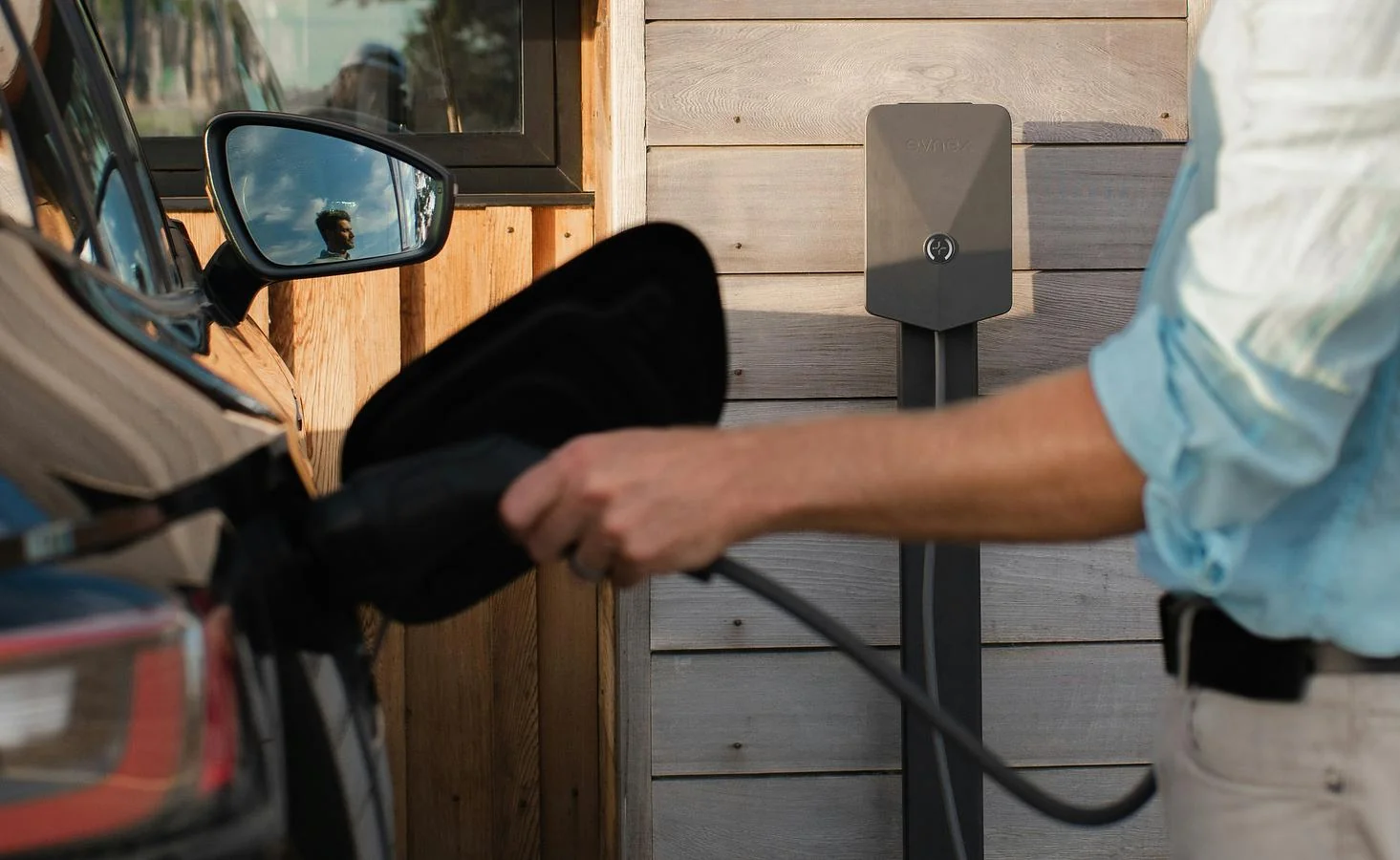
Provincial Electricity Tariffs and EV Charging in South Africa: What to Know
Charging an EV at home in South Africa can cost anywhere from R1.80 to R4.00 per kWh-a range wide enough to make a real difference to your monthly running costs. The price you pay depends almost entirely on where you live and who supplies your electricity.
This guide breaks down how provincial and municipal tariffs work, what each region typically charges, and how to calculate your actual charging costs based on your specific rate.
What are provincial electricity tariffs for EV charging
Public EV charging in South Africa runs on flat national rates set by charging networks-around R7.00 to R8.24/kWh for DC fast charging and roughly R5.88/kWh for AC charging. Home charging works differently. What you pay at home depends on your provincial and municipal electricity tariff, which typically falls between R1.80 and R4.00 per kWh.
An electricity tariff is the price per kilowatt-hour (kWh) that your supplier charges you. Think of it like the price per litre at a petrol station, except for electricity. When you plug your EV in at home, you draw power from the grid at whatever rate your local supplier has set.
So why do rates vary so much across the country? Each municipality buys electricity from Eskom at a wholesale price, then adds its own surcharges for distribution, infrastructure maintenance, and services. NERSA (the National Energy Regulator of South Africa) approves tariff increases each year, but your final bill depends on which municipality or supplier serves your area.
Electricity tariffs by province for home EV charging
Residential electricity rates differ between provinces and even between municipalities within the same province. The figures below give you a sense of what to expect in each region, though your actual rate depends on your specific supplier and consumption level.
Gauteng
Gauteng's major metros-City of Joburg, Tshwane, and Ekurhuleni-carry higher municipal surcharges than smaller towns in the province. In Johannesburg, residential rates start around R2.72/kWh for households with low consumption. Once monthly usage climbs, rates can exceed R3.50/kWh. Urban infrastructure costs drive much of this premium.
Western Cape
City of Cape Town residential customers typically pay between R1.80 and R3.20/kWh, depending on which consumption block they fall into. The Western Cape has been relatively active in offering time-of-use tariff structures, which can work in your favour if you charge your EV overnight when rates drop.
KwaZulu-Natal
eThekwini (Durban) rates run higher than the national average, ranging from R2.13 to R3.33 per kWh. Coastal urban areas tend to charge more than inland rural municipalities, so where exactly you live in the province matters.
Eastern Cape
Nelson Mandela Bay and Buffalo City metros have moderate tariffs compared to Gauteng and KwaZulu-Natal. Rural parts of the Eastern Cape often receive electricity directly from Eskom rather than through a municipality, which typically means lower rates.
Free State
Mangaung and surrounding areas generally have lower municipal surcharges than the bigger metros. Home EV charging in the Free State tends to be more affordable as a result.
Mpumalanga
Mpumalanga has a mix of supply arrangements. Rural areas often receive power directly from Eskom, while towns like Mbombela are on municipal supply. Eskom-direct customers usually pay less per kWh because there are no municipal surcharges layered on top.
Limpopo
Much of Limpopo receives electricity directly from Eskom. Without municipal surcharges, residential rates here are generally lower than in the major metros.
North West
Key municipal areas like Rustenburg and Mahikeng set their own tariff structures. Rural parts of the province are more likely to be on Eskom direct supply, which keeps rates down.
Northern Cape
The Northern Cape's sparse population means more households are Eskom-direct customers. This typically translates to lower residential rates for home EV charging compared to densely populated provinces.
How Eskom and municipal tariffs work
Who supplies your electricity determines what you pay. South Africans receive power through one of two channels: directly from Eskom, or via a municipality that buys wholesale and resells to residents with added fees.
Eskom direct supply tariffs
If Eskom supplies your home directly, you'll be on either the Homelight or Homeflex tariff structure. Homelight is a flat rate-you pay the same per kWh regardless of when you use power. Homeflex is a time-of-use tariff that charges different rates for peak, standard, and off-peak periods.
Both structures are NERSA-regulated and apply mainly to customers in rural areas or certain townships that aren't served by municipalities. Homeflex can save you money if you schedule your EV to charge during off-peak hours.
Municipal tariffs and surcharges
Most urban South Africans buy electricity from their municipality. The municipality purchases power from Eskom at wholesale rates, then adds distribution costs, service fees, and surcharges before selling it to you.
This layering explains why City Power in Johannesburg charges more per kWh than Eskom's direct rates. The municipality covers its own infrastructure and operational costs through the markup.
Prepaid vs credit meter rates
Prepaid meters often have different rates than conventional credit meters, even within the same municipality. Your home EV charger will simply use whichever meter type is already installed. To confirm your actual rate, check your prepaid slip or credit meter bill-the R/kWh figure is what matters for calculating charging costs.
How to calculate EV charging costs at home
The calculation is simple: multiply your tariff (R/kWh) by the number of kWh you add to your battery. Here's how to work through it.
1. Find your tariff in R/kWh
Look at your latest electricity bill or prepaid slip for the rate per kWh. On municipal bills, find the "energy charge" line item-that's your tariff. If you're on a tiered structure where rates increase with consumption, note which block your typical monthly usage falls into.
2. Check your EV battery size
Your EV's battery capacity in kWh tells you how much electricity a full charge requires. A BYD Dolphin has a 60.4 kWh battery. A BMW iX3 has 80 kWh. Larger batteries cost more to fill completely but typically deliver greater range per charge.
3. Multiply tariff by kWh needed
If you're charging from 20% to 80%-a common daily pattern that's gentler on the battery-you're adding 60% of your battery's total capacity.
For a 60 kWh battery at R3.00/kWh:
- 60% of 60 kWh = 36 kWh
- 36 kWh × R3.00 = R108 per charge
4. Account for charging efficiency
Home charging isn't perfectly efficient. Some energy is lost as heat during the charging process. Adding roughly 10-15% to your estimate gives a more realistic picture of what you'll actually pay.
Tip: EV Cost Calculator handles this maths automatically. Select your province, choose an EV, and see charging costs based on your regional tariff. You can edit the tariff to match your actual rate for more accurate results.
Home charging vs public charging costs
The gap between home and public charging costs is substantial. Knowing both helps you decide when and where to charge.
| Charging Type | Typical Cost per kWh | Best For |
|---|---|---|
| Home (provincial tariff) | R1.80–R4.00 | Daily and overnight charging |
| Public AC | ~R5.88 | Destination charging at malls or hotels |
| Public DC fast charging | R7.00–R8.24 | Road trips and quick top-ups |
Typical home charging rates
Based on provincial tariffs covered earlier, home charging costs roughly R1.80 to R4.00 per kWh. Charging overnight-especially if you're on a time-of-use tariff-delivers the lowest cost per kilometre. Many EV owners find their running costs drop significantly compared to petrol at current prices above R25 per litre.
Public DC charging rates from GridCars and Rubicon
Major public charging networks like GridCars and Rubicon charge R7.00 to R8.24 per kWh for DC fast charging. That's considerably more expensive than home rates, though you gain speed and convenience in return.
Public charging makes practical sense for road trips or situations where you can't charge at home. For daily driving, home charging remains the more economical option.
Time-of-use tariffs for lower EV charging costs
Some tariff structures charge less during off-peak hours, typically late night through early morning. If you're on Eskom's Homeflex tariff or a municipal time-of-use plan, scheduling your EV to charge between 22:00 and 06:00 can reduce your costs noticeably.
Here's how time-of-use periods typically break down:
- Peak hours: Highest rates, typically 07:00–10:00 and 18:00–20:00
- Standard hours: Mid-range rates during daytime
- Off-peak hours: Lowest rates, usually 22:00–06:00-ideal for overnight EV charging
Most EVs let you schedule charging through their app or infotainment system. Set your car to start charging at 22:00, and it draws power during the cheapest window without any effort on your part.
Eskom has indicated plans to introduce more accessible off-peak residential rates in future, which would make overnight charging even more attractive.
How to find your municipal electricity tariff
Finding your exact tariff takes a few minutes but ensures your cost estimates are accurate.
- Check your bill: Look for the R/kWh rate on your latest electricity statement or prepaid slip
- Municipal website: Most metros publish current tariff schedules online under "tariffs" or "rates"
- Contact your provider: Call or email your municipality if rates aren't clearly published
- Use EV Cost Calculator: Select your province and the tool loads a regional average, which you can then edit to match your actual rate
If you're on a tiered tariff structure, your rate per kWh increases as your monthly consumption rises. For EV charging estimates, use the rate that applies to your typical consumption block-usually the middle or upper tier if you're adding significant kWh for vehicle charging.
Estimate your EV running costs with provincial tariffs
Once you know your provincial tariff, you can calculate what it actually costs to charge any EV available in South Africa. EV Cost Calculator lets you select your province, choose from 75+ EV models, and compare charging costs against current petrol prices.
- Select your province: The calculator loads your regional tariff automatically
- Choose any EV: See charging costs, range, and charging times for models from BYD, Volvo, BMW, Mercedes-Benz, and more
- Compare running costs: View side-by-side figures for EVs versus petrol vehicles based on real South African fuel prices
FAQs about provincial electricity tariffs and EV charging
What is the average electricity tariff for EV charging in South Africa?
Home charging tariffs typically range from R1.80 to R4.00 per kWh, depending on your province and whether Eskom or a municipality supplies your electricity. Municipal rates are generally higher because of added surcharges for distribution and services.
Do electricity tariffs change during load shedding?
The tariff rate per kWh stays the same during load shedding. You simply cannot draw power during outages, so charging pauses until supply returns. Your EV will resume charging automatically once electricity comes back on.
Can I charge my EV using solar panels to avoid grid tariffs?
Yes. Solar charging bypasses grid costs entirely. Many South African EV owners combine rooftop solar with home charging, particularly during daylight hours when panels generate the most power.
What is the Section 12B tax incentive for solar and EV infrastructure?
Section 12B allows individuals and businesses to claim tax deductions for solar installations. This incentive can offset the cost of setting up a home charging system alongside solar panels.
How often do NERSA-approved electricity tariffs increase?
NERSA typically approves annual tariff adjustments, usually effective from April each year. South African electricity rates have been increasing annually, so checking your current tariff before estimating EV costs gives you the most accurate picture.