EV Cost Calculator Explained: Compare and Estimate Savings
Published · Last updated
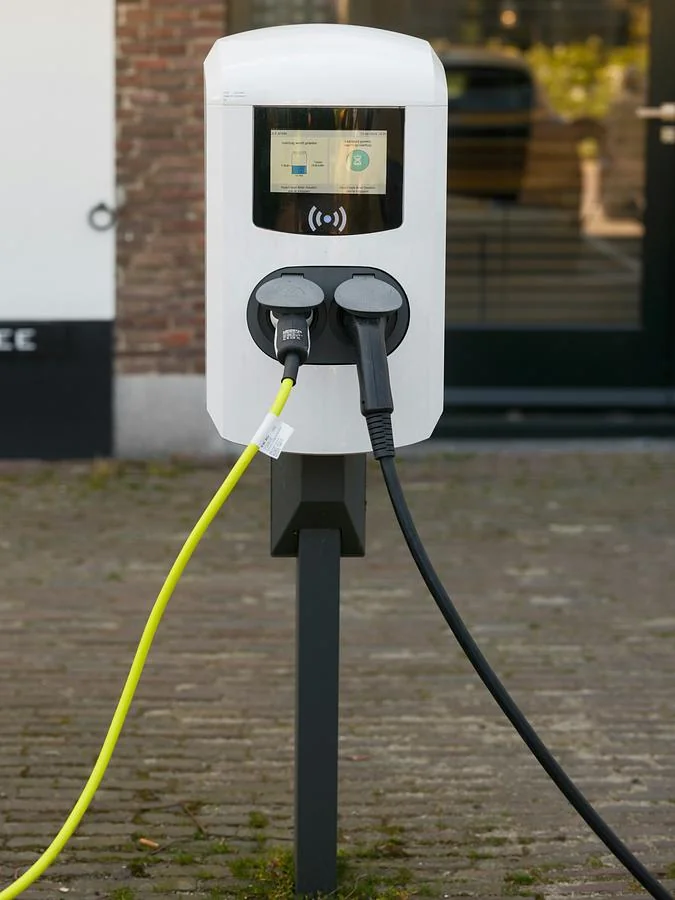
EV Savings Calculator: Compare Costs and Estimate Savings
South African drivers spend upwards of R2,500 a month on petrol, and that number climbs every time fuel prices tick up. An EV savings calculator takes your actual driving habits and local electricity rates, then shows you exactly how much less you'd pay to run an electric vehicle.
This guide walks through how these calculators work, what inputs you'll need, and how to interpret the results for your situation.
What is an EV savings calculator
An EV savings calculator compares your current petrol spending to the projected cost of charging an electric vehicle, then shows you the difference in Rands. You enter information about your driving habits, select an EV model, and the calculator applies local electricity rates to estimate your potential monthly and yearly savings. The result is a personalised comparison based on your actual inputs rather than generic assumptions.
The idea is simple: instead of guessing whether an EV makes financial sense, you get concrete numbers. For South African drivers paying above R25 per litre for petrol, seeing the actual cost difference can shift the conversation from "maybe someday" to "let me look at this seriously."
Most calculators break down the comparison into daily, monthly, and yearly figures. This helps you see both the immediate impact on your wallet and the longer-term picture over one, three, or five years of ownership.
How to use an electric vehicle calculator
The process takes about five minutes once you have your fuel receipts or a rough idea of what you spend monthly. You'll move through four steps: entering your current costs, selecting a vehicle, choosing your location, and setting how you typically charge.
1. Enter your current fuel costs
Start with what you're spending now. Most calculators ask for three things: the cost to fill your tank, how many times you fill up each month, and the kilometres you get from each tank.
This creates your baseline. If you fill a 50-litre tank at R25 per litre twice a month, you're spending around R2,500 monthly on fuel. The calculator uses this figure to measure against EV charging costs.
2. Select your EV brand and model
Next, pick the electric vehicle you want to evaluate. This step matters because battery size and efficiency vary between models, which directly affects how much you'll pay to charge.
In South Africa, popular options include the BYD Dolphin, Volvo EX30, BMW iX3, and Mercedes-Benz EQA. When you select a specific model, the calculator pulls in the correct battery capacity and efficiency rating for that vehicle.
3. Choose your province and electricity tariff
Electricity prices differ across South Africa's provinces, so your location affects the calculation. The calculator applies the relevant NERSA/Eskom tariff for your area, expressed in R/kWh (Rands per kilowatt-hour).
Home charging in South Africa averages around R3/kWh, though your actual rate depends on your municipality or prepaid meter. Most tools display a default tariff and let you adjust it if you know your exact rate.
4. Set your charging scenario
Finally, specify how you typically charge. Rather than assuming a full 0% to 100% charge every time, you can set a starting and ending battery percentage.
Most EV owners charge from around 20% to 80%. This range preserves battery health and reduces charging time. Setting realistic parameters gives you a more accurate cost estimate than assuming you'll always charge from empty to full.
EV vs petrol cost comparison
The central question is straightforward: how do EV running costs compare to petrol? The answer depends on three factors: what you pay for fuel, what you pay for electricity, and how far you drive.
| Factor | Petrol Vehicle | Electric Vehicle |
|---|---|---|
| Fuel/Energy Cost | R/litre at the pump | R/kWh for home or public charging |
| Typical Running Cost | Higher per kilometre | Lower per kilometre |
| Price Stability | Fluctuates with oil markets | More stable, tariff-based |
Home charging costs by province
Home charging is where most EV owners see the biggest cost advantage. You plug in overnight using your household electricity and pay your provincial tariff rather than public charging rates.
Rates vary by province and municipality. Some areas also offer time-of-use tariffs where off-peak electricity costs less, which means charging between 10pm and 6am could reduce your costs further.
Public charging network prices
Public charging networks provide convenient top-ups when you're away from home or on longer trips. In South Africa, networks like GridCars, Audi Charge, and BMW ChargeNow operate stations across major routes and urban areas.
Public charging typically costs more per kWh than home charging. For daily commuting, most drivers rely on overnight home charging and use public stations only when travelling or in a pinch.
Current petrol prices and your monthly spend
With petrol prices consistently above R25 per litre, monthly fuel costs add up quickly. A driver filling a 50-litre tank twice a month spends over R2,500 on fuel alone before accounting for any other vehicle expenses.
This baseline is what the calculator compares against EV charging costs. The gap between petrol and electricity prices per kilometre is where your potential savings sit.
How the EV charging cost calculator works
The maths behind an EV charging cost estimate is more straightforward than it might seem. Four inputs determine your result:
- Battery capacity: The total kWh your EV's battery can store, such as 60 kWh
- Charge percentage: The portion you're charging, for example 20% to 80%, which equals 60% of the battery
- Electricity tariff: Your provincial rate in R/kWh
- Output: The estimated cost for that charging session in Rands
Here's a quick example. Charging a 60 kWh battery from 20% to 80% means adding 36 kWh of energy. At R3/kWh, that session costs R108. Compare that to filling a petrol tank at R1,250 or more, and the per-trip difference becomes clear.
The calculator handles this arithmetic automatically. You select your vehicle and province, set your charge range, and the tool shows what you'd pay for that specific scenario.
Do you actually save money with an EV
For most drivers, yes. EVs cost less per kilometre to run than petrol vehicles because electricity is cheaper than fuel on an energy-equivalent basis. The savings depend on your driving patterns, electricity costs, and how much you currently spend on petrol.
The catch is the higher upfront purchase price. EVs cost more to buy than comparable petrol cars. However, when you factor in lower running costs over several years, the total cost of ownership often favours the EV.
A savings calculator helps you see exactly where that crossover point sits for your situation. Some drivers break even within two years; others take longer depending on their annual mileage and local tariffs.
Are electric cars cheaper to maintain than petrol cars
Beyond fuel savings, EVs typically cost less to maintain. The reason comes down to mechanical simplicity. Fewer moving parts means fewer components that wear out or break.
- No engine oil: EVs don't have internal combustion engines, so there are no oil changes
- Fewer brake replacements: Regenerative braking slows the car by recapturing energy, which reduces wear on brake pads
- Simpler drivetrain: No gearbox, clutch, spark plugs, or exhaust system to service
Over time, lower maintenance costs add to the overall cost advantage of electric driving. You'll still have expenses like tyres and suspension components, but the service schedule is generally lighter than a petrol vehicle.
Can you afford an electric car in South Africa
Affordability concerns are valid. EVs carry higher sticker prices than comparable petrol cars, and that upfront cost is a real barrier for many buyers.
However, entry-level models are now available in South Africa for under R600,000. The BYD Dolphin and similar vehicles have brought electric driving within reach for more buyers than even two years ago.
The key is weighing that upfront cost against long-term fuel and maintenance savings. An EV savings calculator helps you see whether the numbers work for your budget and driving habits over one, three, or five years.
How to find the best EV for your budget
Choosing the right EV involves balancing several factors beyond price. A comparison tool lets you evaluate models side by side on the specs that matter most for your situation.
- Price: Upfront cost in Rands
- Range: Kilometres per full charge
- Efficiency: kWh per 100 km, where lower numbers mean less energy used per kilometre
- Charging speed: Maximum DC charge rate, which affects how quickly you can top up on road trips
Comparing across models helps you find an EV that fits both your budget and your driving needs. A city commuter might prioritise efficiency and price, while someone who travels frequently might value range and fast-charging capability.
Hybrid vs petrol and where hybrids fit in
Hybrids combine a petrol engine with an electric motor, offering better fuel economy than pure petrol vehicles. They're a middle-ground option for drivers who aren't ready to go fully electric or who lack access to home charging.
While a hybrid saves fuel compared to a conventional car, the savings are smaller than with a full battery EV. Hybrids still require petrol, oil changes, and the maintenance associated with internal combustion engines.
This article focuses on battery electric vehicles, but hybrids remain a valid stepping stone for some buyers. If you're curious about the comparison, a hybrid versus gas calculator can show you the difference in running costs.
Estimate your savings with EV Cost Calculator
EV Cost Calculator is built specifically for South African drivers. The tool uses real local fuel prices and provincial electricity tariffs to generate estimates based on where you live and what you actually pay.
You can select from EVs available in the South African market and see results tailored to your province. The site offers several tools to support your research:
- Fuel vs EV Comparison Calculator: Compare your current petrol spend to EV running costs
- EV Charging Costs Calculator: Estimate charging costs for specific vehicles and scenarios
- EV Comparison Tool: Compare specs and prices across 75+ models available locally
- Charging Station Map: Find public chargers from GridCars, BMW ChargeNow, Audi Charge, and other networks
Estimate your savings with EV Cost Calculator →
FAQs about EV savings calculators
How accurate are EV savings calculators?
Accuracy depends on the inputs you provide and whether the calculator uses local data. EV Cost Calculator uses real South African fuel prices and NERSA/Eskom tariffs for province-specific estimates, which improves reliability compared to generic international tools.
Does an EV savings calculator account for battery degradation?
Most calculators estimate costs based on current battery capacity. Battery degradation happens gradually over years and typically has minimal impact on short-term savings estimates.
How do time-of-use electricity tariffs affect EV charging costs?
Charging during off-peak hours can reduce your cost per kWh. Check with your municipality or Eskom for time-of-use rates in your area. Some drivers save noticeably by charging overnight when rates are lower.
What is the difference between an EV calculator and a hybrid versus gas calculator?
An EV calculator compares full battery electric vehicles to petrol, while a hybrid versus gas calculator compares hybrid vehicles that use both petrol and electricity. Full EVs typically show greater fuel savings than hybrids.
Does the calculator include the cost of installing a home charger?
Most EV savings calculators focus on running costs, not installation. Home charger installation is a once-off expense you can factor into your total ownership budget separately.