Fast Charging vs Home Charging: The Key Differences
By EV Cost Calculator Team · Published · Last updated
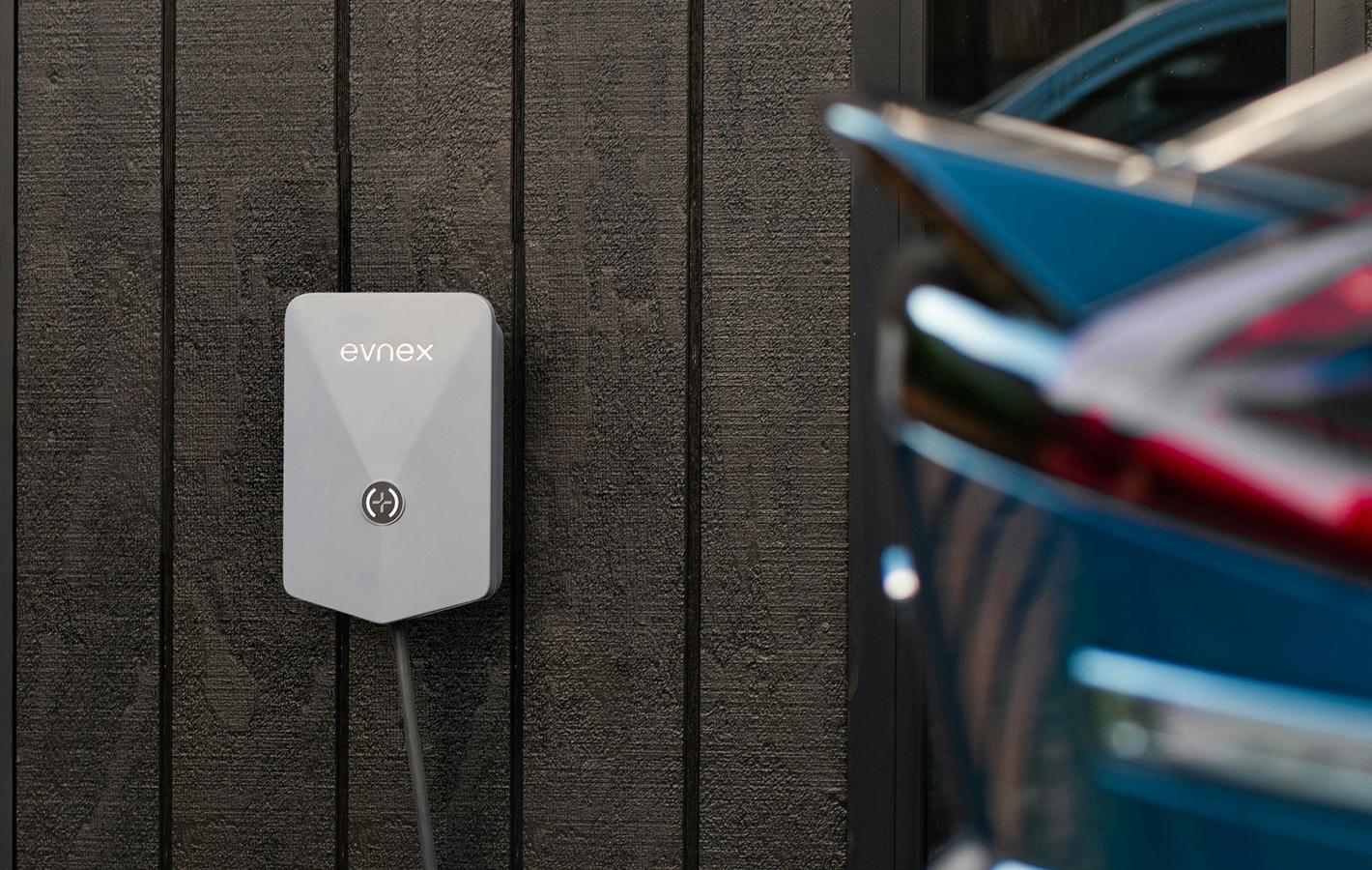
Fast Charging vs Home Charging: Understanding the Key Differences
Fast charging uses DC power to add 80% battery in under an hour at public stations, while home charging uses slower AC power overnight at a fraction of the cost. For most South African EV owners, the real question isn't which is better-it's knowing when to use each.
This guide breaks down charging speeds, costs at current provincial tariffs, battery health considerations, and practical scenarios to help you decide how to charge your EV day to day and on longer trips.
What is home charging
Home charging is how most EV owners in South Africa power their vehicles day to day. You plug in at your residence, typically overnight, and the car charges while you sleep. The process uses AC (alternating current) from your household electricity supply, which the car's onboard charger then converts to DC (direct current) to store in the battery.
Because home charging draws from your provincial electricity tariff, it costs significantly less than public alternatives. At around R3/kWh in most areas, charging a 60 kWh battery from empty to full runs roughly R180. Compare that to filling a petrol tank at R25 per litre, and the difference becomes clear.
The real appeal, though, is convenience. You arrive home, connect the cable, and that's it. No waiting at a station, no checking apps for availability, no queues. Charging simply happens in the background while you go about your evening.
What is fast charging
Fast charging works differently. Also called DC fast charging, it delivers high-powered electricity directly to your EV's battery, bypassing the onboard charger entirely. You'll find these stations at fuel stations, shopping centres, and along major routes like the N1, N2, and N3.
The speed difference is substantial. While home charging might take several hours for a full battery, a DC fast charger can add 80% charge in 20 to 60 minutes. The exact time depends on your vehicle's maximum charge rate and the charger's output.
In South Africa, several networks operate public fast chargers, including GridCars, BMW ChargeNow, Audi Charge, and Mercedes me Charge. Each network has its own pricing structure and station locations, so coverage varies depending on where you drive.
EV charging speeds compared
Charging speed varies dramatically based on the charger type. Three main levels exist, each suited to different situations.
| Charger Type | Typical Location | Relative Speed | Best For |
|---|---|---|---|
| Level 1 | Home (wall socket) | Slowest | Overnight with minimal daily driving |
| Level 2 | Home (dedicated unit) | Moderate | Daily commuting and regular use |
| DC Fast Charging | Public stations | Fastest | Long trips and quick top-ups |
Level 1 home charging
Level 1 charging uses a standard South African wall socket. No special installation is required, which makes it the easiest entry point for new EV owners. However, it's also the slowest method, adding roughly 8 to 15 km of range per hour.
For drivers covering short daily distances, Level 1 might be sufficient. If you drive 30 km to work and back, overnight charging on a wall socket can keep up. Most EV owners with longer commutes, though, find Level 1 impractical as their primary solution.
Level 2 home charging
A dedicated Level 2 home charger delivers significantly faster charging, typically 30 to 50 km of range per hour. Installation requires a qualified electrician, but the result is a charging setup that handles daily driving comfortably.
This is the sweet spot for most South African EV owners. A Level 2 charger can fully replenish a typical EV battery overnight, even if you arrive home with the battery quite low. You still benefit from cheaper household electricity rates while gaining the speed to charge reliably every night.
DC fast charging
DC fast chargers are the quickest option available. Station outputs range from 50 kW to 150 kW or more, with some newer chargers pushing even higher. Your actual charging speed, however, depends on your specific EV's maximum DC charge rate.
- Vehicle limits matter: A BYD Dolphin accepts charge at a different rate than a BMW iX3
- Battery state affects speed: Charging slows as the battery fills, especially above 80%
- Temperature plays a role: Cold or very hot batteries charge more slowly
DC fast chargers are designed for on-the-go use rather than daily charging. They fill a specific role: getting you back on the road quickly during longer journeys.
How much does home charging cost
Home charging costs come down to two factors: your provincial electricity tariff and your EV's battery size. The calculation is straightforward. Multiply your R/kWh rate by the number of kWh you add to the battery.
For example, charging a 60 kWh battery from 20% to 80% means adding 36 kWh. At R3/kWh, that's roughly R108. The same charge at a public fast charger might cost R216 to R360, depending on the network's pricing.
Provincial electricity tariffs in South Africa
Electricity rates are set by NERSA and vary by province and municipality. What you pay in Johannesburg differs from what someone in Cape Town or Durban pays. Some areas also offer time-of-use tariffs, where electricity costs less during off-peak hours, typically late evening through early morning.
- Provincial variation: Your R/kWh rate depends on where you live
- Time-of-use savings: Charging during off-peak hours can reduce costs further
- Battery size impact: Larger batteries cost more to charge fully but offer greater range
Knowing your actual tariff helps you calculate real charging costs rather than relying on estimates. EV Cost Calculator's province selector shows the current rate for your area.
Home charger installation costs
Installing a Level 2 home charger typically costs between R5,000 and R15,000. The final price depends on your existing electrical setup, the distance from your distribution board to where you park, and the charger unit you choose.
While this is an upfront expense, the ongoing savings from cheaper home charging compared to public stations mean most owners recover the cost within the first year or two of regular driving.
How much does fast charging cost
Public fast charging networks charge per kWh, and rates run higher than home electricity. You might pay R6 to R10 per kWh at a public DC fast charger, compared to around R3/kWh at home. Some networks also add connection fees or time-based charges if you stay plugged in after charging completes.
GridCars
GridCars operates South Africa's largest independent charging network. Stations are spread across major routes and urban centres, with real-time availability shown in their app. Pricing varies by location, so checking before you charge helps avoid surprises.
BMW ChargeNow
BMW's charging network is designed primarily for BMW EV owners, though other brands can often access participating stations. Coverage is growing, particularly in Gauteng and the Western Cape.
Audi Charge
Audi Charge provides access to multiple charging networks through a single account. As Audi expands its EV lineup in South Africa, the network continues to add stations.
Mercedes me Charge
Mercedes-Benz's charging solution supports their EQ range, including the EQA. Like other manufacturer networks, it aggregates access to various public chargers under one billing system, simplifying payment across different providers.
Is home charging or fast charging cheaper
Home charging costs significantly less per kWh. The difference is often 50% to 70%, depending on your home tariff and which fast charging network you use.
| Charging Method | Typical Cost Level | Best Use Case |
|---|---|---|
| Home charging | Lower (around R3/kWh) | Daily driving and overnight charging |
| Fast charging | Higher (R6–R10/kWh) | Long trips and quick top-ups |
The savings accumulate quickly over time. A driver covering 1,500 km per month might spend R450 charging at home versus R900 or more relying primarily on fast chargers. Over a year, that gap represents thousands of Rands.
This cost difference is why most EV owners treat home charging as their primary method. Fast charging fills a specific role for trips and emergencies, but daily charging happens at home where electricity is cheaper.
Does fast charging damage your EV battery
Occasional fast charging is perfectly fine. Modern EVs are engineered to handle it, with battery management systems that monitor temperature and adjust charging rates to protect the cells.
However, frequent exclusive use of DC fast charging can accelerate battery degradation over time. The culprit is heat. Fast charging generates more heat than slow charging, and repeated thermal stress affects long-term battery health.
- Heat generation: Rapid charging produces more heat, which affects battery longevity
- Battery management systems: Modern EVs actively manage temperature during fast charging
- Balanced approach: Using home charging for daily driving and fast charging for trips is gentler on the battery
Most manufacturers suggest keeping fast charging to around 20% of your total charging sessions. For typical daily driving in South Africa, home charging handles the bulk of your energy needs comfortably.
When to use fast charging vs home charging
Choosing between charging methods depends on your specific situation. Here's how most South African EV drivers approach the decision.
Daily commuting
Home charging covers daily commuting easily. The average South African commute falls well under 100 km per day, far less than most EVs' range. Plugging in when you arrive home means waking up to a full battery, ready for the next day.
Long-distance travel
Fast charging becomes essential for road trips. Driving from Johannesburg to Cape Town, for instance, requires multiple charging stops along the way. South Africa's fast charging infrastructure along major routes continues to expand, making longer journeys increasingly practical.
Planning your stops in advance helps. Knowing where chargers are located and which networks operate them lets you estimate travel time more accurately.
Emergency top-ups
Sometimes you forget to plug in at home, or an unexpected trip comes up. Fast charging provides a convenient backup in these situations. Twenty to thirty minutes at a DC charger can add enough range to get you through the day.
This flexibility is valuable even if you rarely use it. Knowing fast chargers exist along your regular routes removes the worry of running low unexpectedly.
Calculate your EV charging costs
Knowing your actual charging costs helps you budget accurately and compare different EVs effectively. EV Cost Calculator lets you select your specific vehicle, choose your province, and set your typical charge levels to see personalised estimates based on South African tariffs.
- Cost estimates: View charging costs in Rands based on your provincial tariff
- Time estimates: See how long charging takes for your specific EV model
- Scenario planning: Adjust charge levels from 20% to 80% to match real-world habits
Calculate your EV charging costs →
FAQs about EV charging methods
Can I use fast charging as my only charging method for my electric vehicle?
While technically possible, relying exclusively on fast charging costs more and may affect battery longevity over time. Home charging as your primary method maximises savings and is gentler on the battery.
What is the difference between Level 2 and DC fast charging?
Level 2 uses AC power and relies on your car's onboard charger, making it suitable for home and some public locations. DC fast charging bypasses the onboard charger entirely, delivering power directly to the battery at much higher speeds.
Do all electric vehicles in South Africa support DC fast charging?
Most modern EVs support DC fast charging, though maximum charge rates vary significantly by model. A vehicle's DC charge rate determines how quickly it can actually use a fast charger's available power.
Can I charge my EV using a standard South African wall socket?
Yes, this is Level 1 charging. It works with most EVs but is the slowest method, best suited for occasional use or vehicles with smaller batteries.
How do I find fast charging stations near me in South Africa?
EV Cost Calculator's charging station map displays stations across South Africa, filterable by network including GridCars, BMW ChargeNow, Audi Charge, and Mercedes me Charge. You can identify compatible chargers and plan routes before you travel.