Home EV Charger Installation Costs South Africa (2026)
By EV Cost Calculator Team · Published · Last updated
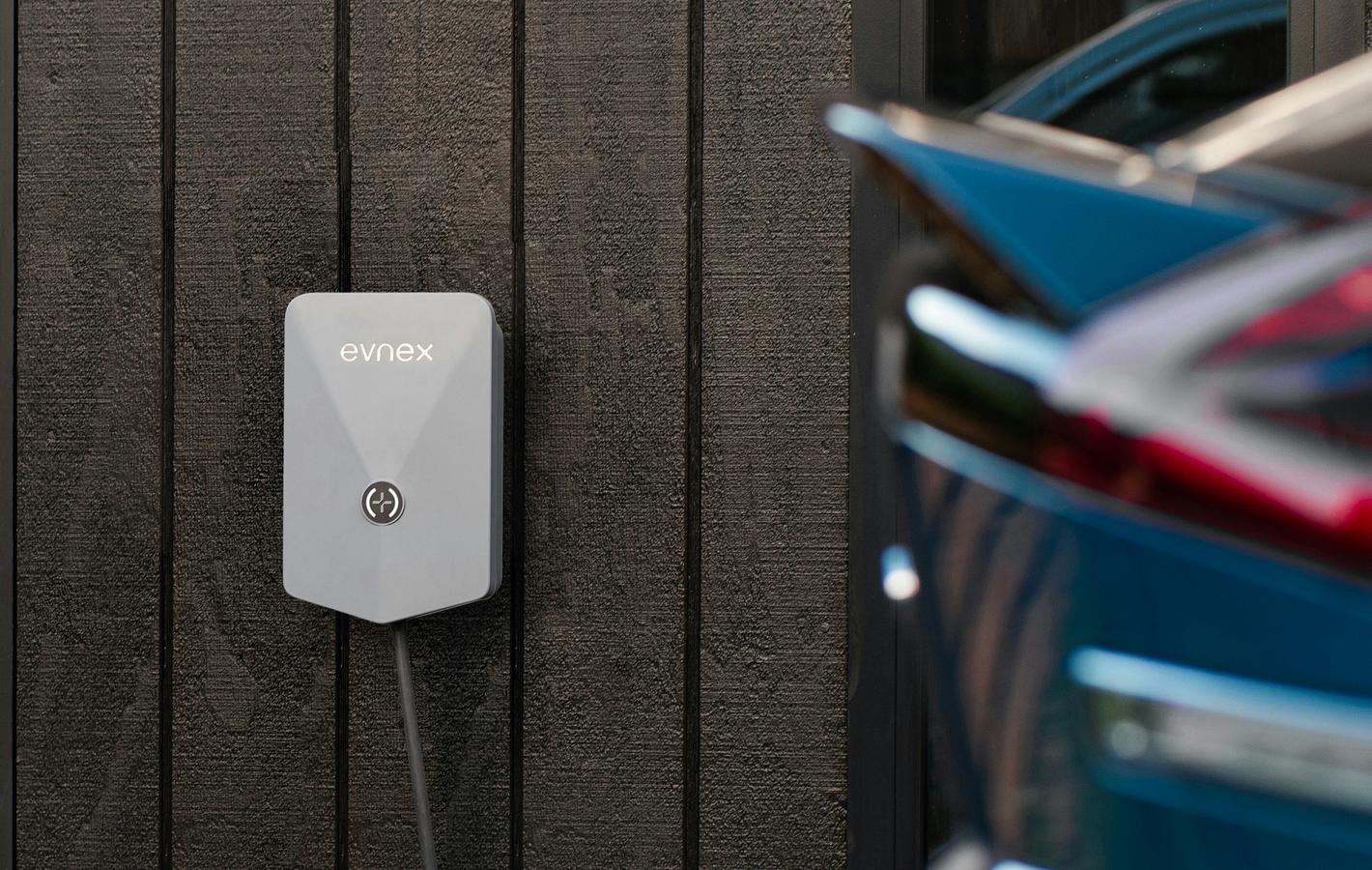
Home EV Charger Installation Costs South Africa: Complete 2026 Guide
Buying an EV is the expensive part. Installing a home charger? That's the straightforward bit-though the quotes you'll receive can range from R8,000 to R35,000 depending on your property and the charger you choose.
This guide breaks down exactly where that money goes: equipment costs by charger type, installation labour and materials, the factors that push quotes higher, and how to calculate your ongoing electricity costs by province.
How much does home EV charger installation cost in South Africa
Home EV charger installation in South Africa typically runs between R8,000 and R35,000. The wide range depends on whether you go with a basic plug-in unit or a hardwired 7kW to 22kW charger. Most homeowners land somewhere around R15,000 when factoring in the charger, labour, and electrical compliance certification.
Your final quote hinges on a few key variables: the complexity of your property's electrical setup, how far the cable runs from your DB board to the charger location, and whether you require a three-phase power upgrade. Older homes or properties with limited electrical capacity often sit at the higher end of the range.
| Installation Type | Typical Total Cost |
|---|---|
| Basic plug-in setup | R8,000 – R18,000 |
| Standard 7kW hardwired | R12,000 – R25,000 |
| Premium 11kW–22kW | R20,000 – R35,000+ |
Home EV charger equipment costs
The charger unit itself makes up roughly half of your total spend. What drives the price? Primarily the charging speed, measured in kilowatts (kW), and the brand.
Level 1 chargers using standard 3-pin plugs
Level 1 charging uses your existing household plug-the same one you'd plug a kettle into. Many EVs come with a portable Level 1 charger in the boot, so the equipment cost is often zero. The trade-off is speed: you'll add only 8 to 12 km of range per hour, which works fine for plug-in hybrids but leaves battery EVs charging overnight and then some.
7kW Level 2 chargers
The 7kW wallbox is the go-to choice for most South African homes. The unit alone costs between R8,000 and R15,000, depending on the brand and features. At 7kW, you're looking at roughly 40 km of range per hour-enough to fully charge most EVs overnight from 20% to 100%.
11kW and 22kW Level 2 chargers
Faster chargers rated at 11kW or 22kW cut charging time significantly, but they require three-phase power. Three-phase is a type of electrical supply common in commercial buildings and some larger homes, though most standard South African residences run on single-phase. Equipment costs for 11kW and 22kW units range from R12,000 to R25,000.
Popular EV charger brands available in South Africa
- Wallbox: Compact units with app control and smart scheduling
- ABB: Industrial-grade build quality, often seen in commercial installations
- Schneider Electric: Broad range covering residential and commercial applications
- BMW Wallbox: Designed specifically for BMW and MINI electric vehicles
EV charger installation cost breakdown
Here's where things get interesting. The installation labour and materials can match or even exceed the cost of the charger itself. Breaking down each component helps you make sense of the quotes you receive.
Electrician labour fees
Any EV charger installation in South Africa requires a qualified electrician who can issue a Certificate of Compliance (COC). Labour fees typically fall between R2,000 and R5,000 for straightforward jobs. Complex installations-think long cable runs, difficult access, or panel upgrades-push this figure higher.
Cabling and wiring
Cable costs scale with distance. The run from your DB board (the main electrical panel in your home) to the charging point determines how much cable you'll use. Expect to pay R150 to R400 per metre for the appropriate gauge, usually 6mm² to 16mm² depending on the charger's power rating. A 15-metre run could add R2,250 to R6,000 to your total.
DB board modifications
Older homes frequently require DB board upgrades to handle the additional electrical load from an EV charger. Modifications typically cost R1,500 to R4,000 and may involve adding circuit breakers, expanding panel capacity, or replacing outdated components.
Earth leakage protection and safety components
EV chargers require a specific type of safety device called a Type B RCD (Residual Current Device). This differs from the standard Type A RCD found in most South African homes. A Type B RCD detects DC fault currents that can occur during EV charging, and it costs between R1,200 and R3,000.
| Cost Component | Typical Range |
|---|---|
| Electrician labour | R2,000 – R5,000 |
| Cabling (per metre) | R150 – R400 |
| DB board modifications | R1,500 – R4,000 |
| Type B RCD | R1,200 – R3,000 |
What affects EV charger installation costs
Why do quotes vary so much between properties? A few factors explain most of the difference.
Distance from DB board: Every extra metre of cable adds cost. Positioning your charger close to the DB board-often in a garage-keeps expenses down.
Electrical panel capacity: If your panel is full or outdated, you'll likely face an upgrade. Homes built before the 1990s are more prone to this issue.
Single phase vs three phase: Standard South African homes use single-phase power, which supports chargers up to 7.4kW. Three-phase power enables faster 11kW or 22kW charging but requires a municipal application and can add R5,000 to R15,000 to your project.
Property type: Townhouse complexes, apartments, and homes with tricky access often require trenching or conduit work to route cables, adding labour hours.
Hardwired vs plug-in EV charger installation
You have two main approaches when installing a home charger, and the choice often comes down to whether you own or rent.
Hardwired charger costs and benefits
A hardwired charger connects permanently to your electrical system with no plug or outlet involved. The result is a cleaner look and a more secure connection. Installation costs tend to run higher-R12,000 to R25,000 total-but this approach makes sense for homeowners who plan to stay put.
Plug-in charger costs and benefits
Plug-in chargers use a dedicated industrial outlet, typically a 32A socket installed by your electrician. Total costs range from R8,000 to R18,000. The main advantage? Portability. If you move, you can take the charger with you and have a new outlet installed at your next home.
| Factor | Hardwired | Plug-in |
|---|---|---|
| Installation cost | Higher | Lower |
| Portability | No | Yes |
| Aesthetic | Cleaner | Visible outlet |
| Best for | Homeowners | Renters |
EV charging electricity costs by province
Once your charger is installed, ongoing costs depend on your electricity tariff. Tariffs vary by municipality and province, set by NERSA and local authorities.
Gauteng residential tariffs typically range from R2.80 to R3.50 per kWh. Western Cape rates often fall between R2.60 and R3.20 per kWh. KwaZulu-Natal and other provinces generally align with Eskom's standardised rates around R2.90 to R3.30 per kWh.
To see your specific provincial tariff and calculate accurate charging costs for your EV model, use the EV Cost Calculator. Select your province and the tool applies the correct NERSA/Eskom 2024/25 rate automatically.
Home EV charging vs petrol running costs
With petrol prices sitting above R25 per litre and home electricity averaging around R3 per kWh, the running cost gap is substantial. A typical EV uses roughly 15 to 18 kWh per 100 km, which translates to approximately R45 to R54 in electricity. A comparable petrol vehicle consuming 7 litres per 100 km costs around R175 for the same distance.
The Fuel vs EV Comparison Calculator shows personalised savings based on your actual driving patterns, monthly fuel spend, and provincial electricity tariff.
Solar and battery backup for EV charging
Pairing solar power with EV charging offers two benefits: lower electricity costs and resilience against load shedding.
- Reduced electricity costs: Charging during daylight hours using solar generation can drop your per-kilometre cost close to zero.
- Energy independence: Less reliance on Eskom means fewer disruptions to your charging routine.
- Load shedding resilience: Battery storage enables charging during outages, though this adds significant cost to your solar investment.
A solar system sized for EV charging typically requires an additional 3 to 5 kW of panels beyond your household baseline, depending on how far you drive daily.
EV charger installation process
Knowing what to expect helps you plan and avoid surprises.
1. Site assessment
An installer visits your property to check electrical capacity, map out cable routing, and flag potential complications. Many installers offer this assessment free or credit it against your final quote.
2. Quotation and approval
After the assessment, you receive a detailed quote breaking down equipment, labour, and materials. For sectional title properties, body corporate approval is typically required before work begins-a process that can stretch over several weeks.
3. Installation
Most standard installations wrap up within a single day. The electrician mounts the charger, runs cabling from the DB board, and makes all connections.
4. Testing and compliance certification
Once installed, the electrician tests the system thoroughly and issues a Certificate of Compliance (COC). The COC is the legal document confirming your installation meets South African electrical safety standards.
Legal requirements for home EV charger installation
A Certificate of Compliance is legally required for any electrical work in South Africa. Only electricians registered with the Department of Employment and Labour can issue a valid COC, so verifying your installer's credentials before signing a quote is worth the few minutes it takes.
For townhouses, sectional title properties, and gated estates, body corporate approval is typically required. Common requirements include architectural approval for external installations and proof that your unit has adequate electrical capacity.
How to choose the right EV charger for your home
Matching your charger to your EV and your driving habits avoids overspending or underperforming.
Match charger output to your EV: Your charger's power rating ideally matches or exceeds your EV's onboard charger capacity. If your EV accepts 7kW AC charging, a 7kW wallbox delivers full speed. The EV Comparison Tool displays charging specs for each model available in South Africa.
Consider smart features: Scheduled charging lets you take advantage of off-peak tariffs where available. Energy monitoring tracks consumption, and app control adds convenience.
Future-proof your installation: Installing cabling rated for higher power costs little extra now but saves significant expense if you upgrade to a faster charger later.
Managing EV charging during load shedding
Load shedding complicates EV charging, but a few approaches help work around it.
Smart charging schedules let you set specific charging windows through your charger's app. Pairing scheduled charging with a load shedding app ensures your EV charges when power is available. Most EVs also allow you to set charging schedules directly from the vehicle's infotainment system.
Some home inverter systems can power an EV charger during outages. A typical 5kW inverter can support a 3.7kW portable charger but lacks the capacity for a full 7kW wallbox. Larger inverter and battery setups handle higher loads, though the cost climbs accordingly.
Is a home EV charger worth the cost
The upfront investment of R12,000 to R25,000 typically pays for itself within 12 to 18 months through fuel savings, assuming you drive around 15,000 km annually. Beyond the financial return, starting each day with a full charge-without visiting petrol stations-changes the ownership experience entirely.
Calculate your home EV charging costs
To see what charging will cost for your specific situation, select your EV model and province on the EV Charging Costs Calculator. The tool applies NERSA/Eskom 2024/25 tariffs automatically and lets you adjust the charge range from 20% to 80% to match real-world charging habits.
FAQs about home EV charger installation in South Africa
Can I install an EV charger myself or do I need a qualified electrician?
A qualified electrician registered with the Department of Employment and Labour is legally required for EV charger installation in South Africa. Only registered electricians can issue the mandatory Certificate of Compliance.
How long does a home EV charger installation take?
Most standard installations complete within a single day. Complex installations requiring DB board upgrades or long cable runs may extend to two days.
Will installing an EV charger increase my property value?
Home EV chargers are increasingly viewed as desirable features by property buyers, similar to solar installations. The value added depends on your local property market and buyer demographics.
Can I charge two electric vehicles from one home charger?
One charger can only charge one vehicle at a time. Homes with multiple EVs may consider installing additional chargers or using load-balancing solutions that alternate between vehicles.