How Do Electric Cars Work? A Simple Guide for 2026
Published · Last updated
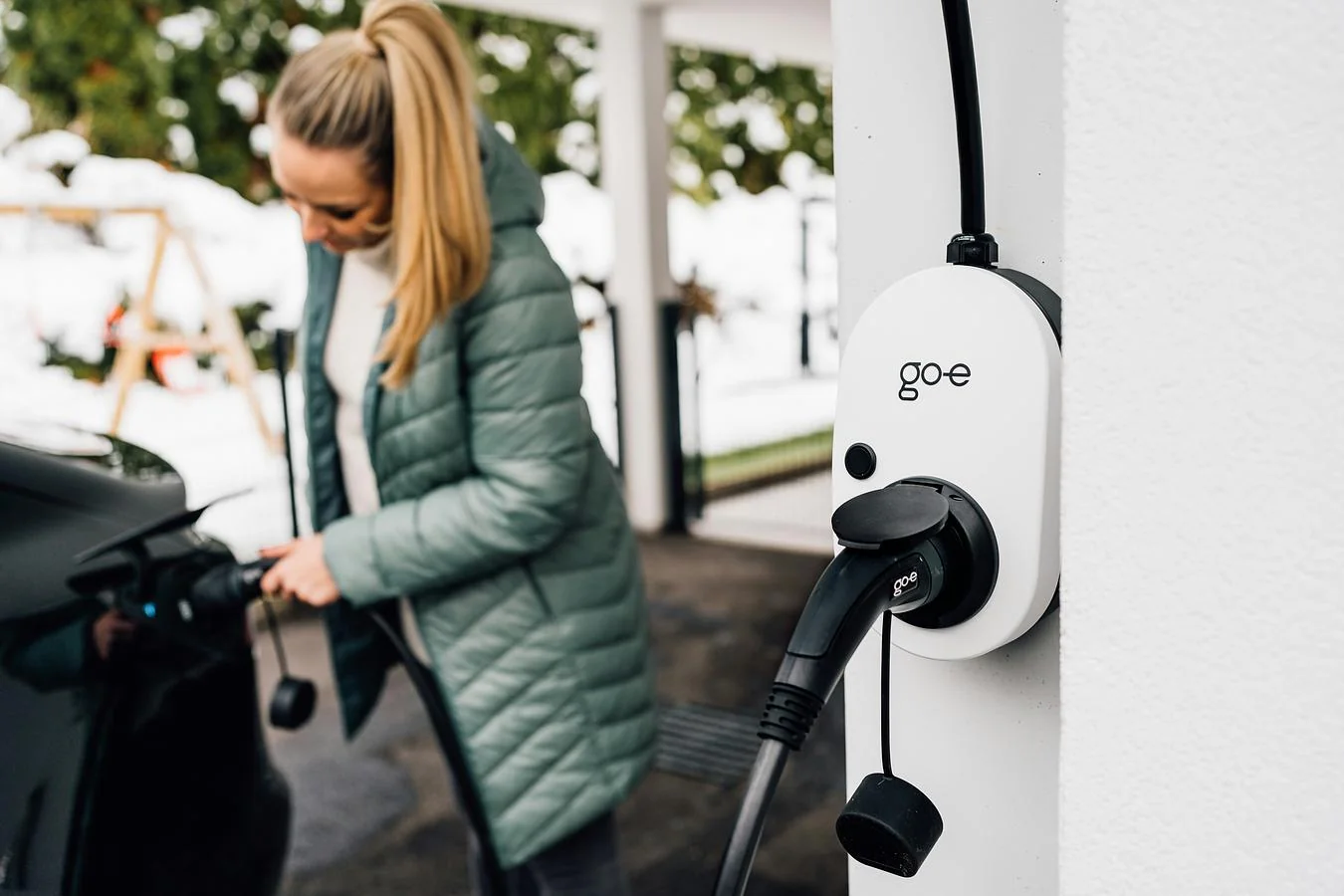
How Electric Cars Work: A Simple Guide for 2026
Electric cars run on electricity stored in a battery pack, using an electric motor to turn the wheels instead of burning petrol. There's no engine, no fuel tank, and no exhaust-just stored energy converted into motion.
This guide covers how that energy flows from the grid to the road, what components make it happen, and what charging and running an EV actually costs in South Africa.
What Is an Electric Car
An electric car stores electricity in a battery pack and uses that energy to power an electric motor, which turns the wheels. There's no petrol engine, no fuel tank, and no exhaust pipe. You plug the car into the electrical grid to charge it, then drive on the stored energy-much like charging your phone overnight and using it throughout the day.
The term "electric vehicle" or EV usually refers to battery electric vehicles, though some people include plug-in hybrids in the category. This guide focuses on fully electric cars that run entirely on battery power, with no petrol backup.
How Electric Cars Work
When you connect your EV to a charger, electricity flows from the grid into the battery pack. The battery stores this energy as direct current, or DC. Once you're ready to drive and press the accelerator, the car's controller tells the inverter to pull power from the battery and convert it into alternating current, or AC, which the motor can use. The motor then spins and turns the wheels.
Here's how the energy moves through the car:
- Plug in: You connect a charging cable to a home charger or public station
- Store: The battery pack holds electrical energy until you drive
- Convert: The inverter changes DC from the battery into AC for the motor
- Drive: The electric motor spins and turns the wheels
Because there's no fuel combustion happening, EVs have far fewer moving parts than petrol cars. No pistons, no crankshaft, no timing belt. This simplicity is part of why EVs tend to cost less to maintain over time.
Key Components of an Electric Vehicle
Every EV relies on a handful of parts working together. Once you know what each one does, the whole system makes more sense.
Electric Motor
The electric motor does the job that a petrol engine does in a traditional car-it creates the motion that turns the wheels. However, instead of burning fuel, it uses electromagnetic force to spin. Some EVs have one motor powering two wheels, while others have two motors for all-wheel drive.
One thing you'll notice immediately when driving an EV is how responsive it feels. Electric motors deliver torque instantly, so there's no delay when you press the accelerator. The car just goes.
Battery Pack
Think of the battery pack as the EV's fuel tank. It stores electrical energy in lithium-ion cells, the same basic technology in your phone, just scaled up dramatically. Battery capacity is measured in kilowatt-hours, written as kWh. A larger number generally means more driving range before you need to charge again.
Most EV battery packs sit flat along the floor of the car, between the front and rear axles. This placement keeps the weight low and centred, which actually improves handling compared to a traditional car with a heavy engine up front.
Power Inverter
The inverter sits between the battery and the motor. Its job is to convert the battery's DC power into AC power that the motor can use. It also controls how much power flows to the motor based on how hard you're pressing the accelerator.
Charging Port
The charging port is simply where you plug in the cable. Different EVs use different connector types. In South Africa, Type 2 connectors are common for AC charging at home or work, while CCS connectors handle DC fast charging at public stations.
Onboard Charger
When you plug into an AC power source like a home wall box, the onboard charger converts that AC power into DC so the battery can store it. The charger's capacity, measured in kilowatts, determines how quickly your EV can charge from AC sources. A 7 kW onboard charger will charge faster than a 3.7 kW one, assuming the power source can deliver that much.
| Component | What It Does |
|---|---|
| Electric Motor | Converts electricity into motion to turn the wheels |
| Battery Pack | Stores electrical energy, measured in kWh |
| Power Inverter | Converts DC to AC and controls power delivery |
| Charging Port | Connects the EV to a charging cable |
| Onboard Charger | Converts AC from the grid into DC for the battery |
Types of Electric Vehicles
The term "electric vehicle" covers a few different categories, and they don't all work the same way.
Battery Electric Vehicles
Battery electric vehicles, or BEVs, run entirely on electricity. There's no petrol engine as a backup. You charge from the grid, and the car drives on battery power alone. Models available in South Africa include the BYD Dolphin, BMW iX3, Volvo EX30, and Mercedes-Benz EQA, with prices starting from under R600,000 for entry-level options.
Plug-in Hybrid Electric Vehicles
Plug-in hybrids, or PHEVs, combine a battery with a petrol engine. They can drive shorter distances on electricity alone, typically 40 to 80 km depending on the model, then switch to petrol for longer trips. You plug them in to charge the battery, but you can also fill up at a petrol station.
Hybrid Electric Vehicles
Standard hybrids use a small battery to assist the petrol engine and improve fuel efficiency. However, they cannot plug in to charge. The battery only recharges through regenerative braking and excess engine power. While hybrids use some electric technology, they're not EVs in the way most people mean the term.
How Regenerative Braking Reclaims Energy
When you lift your foot off the accelerator in an EV, or when you press the brake pedal, something useful happens. The electric motor reverses its function and acts as a generator, capturing the car's kinetic energy and sending it back to the battery as electricity.
This process is called regenerative braking, and it's one of the reasons EVs are so efficient. Instead of wasting energy as heat in the brake pads, the car reclaims some of that energy and stores it for later use. You'll feel this as a noticeable slowing when you ease off the accelerator. Some EVs let you adjust how strong this effect feels, and many drivers find they can do most of their slowing without touching the brake pedal at all.
Regenerative braking also means your brake pads last longer, since they're doing less work.
How To Charge an Electric Car
Charging an EV is more straightforward than it might seem at first. Most owners do the bulk of their charging at home, treating it like plugging in a phone before bed.
Home Charging
Home charging is the most convenient option for daily driving. You can use a standard household outlet, though this is slow, or install a dedicated wall box that charges faster. Either way, you're using your household electricity, which in South Africa averages around R3/kWh depending on your province and tariff structure.
For most people, plugging in overnight provides more than enough range for the next day. You wake up to a full battery without having to stop anywhere.
Public Charging Stations
For longer trips or when you're away from home, public charging stations fill the gap. Networks like GridCars, BMW ChargeNow, and Audi Charge operate stations at shopping centres, office parks, and along major routes across South Africa.
Finding a station is getting easier. EV Cost Calculator's charging station map shows 148 stations across the country, and you can filter by network to find one compatible with your car or subscription.
EV Charging Levels and Times
How fast your EV charges depends on the type of charger you're using. There are three main levels, each suited to different situations.
Level 1 Charging
Level 1 uses a standard household outlet, which in South Africa runs at 230V. This is the slowest option, adding roughly 8 to 15 km of range per hour of charging. It works fine if you have a short daily commute and can leave the car plugged in overnight, but it's not practical for quickly topping up.
Level 2 Charging
Level 2 charging uses a dedicated wall box or workplace charger, typically delivering 7 to 22 kW of power. This adds 40 to 100 km of range per hour, making it the practical choice for daily home charging. Most EV owners install a Level 2 charger at home.
DC Fast Charging
DC fast chargers are the quickest option, found at public stations rather than homes. They bypass the car's onboard charger and feed power directly to the battery at 50 to 350 kW, depending on the station and what your car can accept. A DC fast charger can add 80% charge in 20 to 40 minutes, which makes long-distance travel practical.
- Level 1: Slowest, uses a standard plug, best for overnight top-ups
- Level 2: Moderate speed, requires a wall box, suits daily home charging
- DC Fast Charging: Fastest, found at public stations, ideal for road trips
Electric Car Driving Range
Range refers to how far an EV can travel on a full charge. Modern EVs available in South Africa typically offer between 300 km and 500 km of range, though the exact figure varies by model, driving style, speed, and weather conditions.
For everyday driving-commuting, errands, school runs-even entry-level EVs provide more range than most people use in a day. The average South African drives around 40 to 60 km daily, well within what any current EV can handle on a single charge. Range anxiety tends to fade once you realise how rarely you actually run the battery low during normal use.
What EV Charging Costs in South Africa
One of the first questions people ask about EVs is what it costs to charge them. The answer depends on where you charge and what tariff you're paying.
Home Charging Tariffs by Province
Electricity tariffs vary across South Africa's provinces and municipalities. NERSA/Eskom 2024/25 tariffs range from approximately R2.50 to R3.50 per kWh, depending on where you live and your tariff structure.
EV Cost Calculator lets you select your province and enter your specific tariff to see what charging would actually cost you. The difference between provinces can add up over a year of driving.
Public Charging Network Costs
Public chargers typically cost more than home charging, often R4 to R8 per kWh or a flat session fee. DC fast charging commands a premium because of the speed and convenience. Even so, public charging usually costs less per kilometre than petrol at current prices.
Electric Cars vs Petrol Vehicles
How do EVs compare to traditional petrol cars in daily use? Here's where the differences show up most clearly.
Running Costs
With petrol prices consistently above R25 per litre in South Africa and home electricity around R3/kWh, the cost per kilometre favours EVs by a wide margin. The exact savings depend on your driving patterns and electricity tariff, but many drivers find their fuel costs drop significantly after switching.
Maintenance Requirements
EVs have fewer parts that wear out or break. There's no oil to change, no spark plugs, no timing belt, no exhaust system. Brake pads last longer because regenerative braking does much of the slowing. Over the life of the car, this typically means lower maintenance bills.
Driving Experience
Electric motors deliver torque instantly, which translates to quick, smooth acceleration without waiting for the engine to rev up. The cabin is quieter without engine noise. Most EVs use a single-speed transmission, so there's no gear shifting-just seamless power when you press the accelerator.
Why Electric Cars Save You Money
The financial case for EVs comes down to a few straightforward factors.
Lower Fuel Costs
Charging at home costs a fraction of what you'd spend filling a petrol tank. Even when using public chargers, the cost per kilometre typically remains lower than petrol for most driving patterns.
Reduced Maintenance
Fewer mechanical parts mean fewer things to service or replace. No oil changes, no transmission servicing, longer-lasting brakes. Over five to ten years, the savings add up.
Zero Tailpipe Emissions
EVs produce no exhaust emissions while driving. While this isn't a direct financial saving today, it does mean no emissions-related costs or restrictions as regulations evolve. It also reduces your environmental impact if that matters to you.
How To Calculate Your EV Savings
The most useful way to understand what an EV would cost you is to run the numbers with your actual driving habits and local electricity tariff.
Compare your fuel costs to EV running costs →
EV Cost Calculator uses current South African fuel prices and NERSA/Eskom provincial tariffs to estimate your potential savings. You enter your current fuel spend, select an EV model, and see a personalised comparison based on where you live and how you drive.
FAQs About How Electric Cars Work
How does an electric car engine work in simple terms?
An electric car uses a battery to store electricity, which powers an electric motor that turns the wheels. There's no combustion, no fuel burning, and no exhaust.
Do electric cars have gearboxes or transmissions?
Most EVs use a single-speed transmission because electric motors deliver full torque across their entire speed range. There's no need for multiple gears to keep the engine in its power band.
Can electric cars charge while driving?
EVs cannot plug in while moving. However, regenerative braking recovers energy when you slow down and sends it back to the battery, which extends your range without stopping to charge.
What happens to an EV battery at the end of its life?
EV batteries can be recycled to recover valuable materials, or repurposed for stationary energy storage once they no longer meet the performance requirements for vehicle use.
Do electric cars work during load shedding in South Africa?
Yes. Your EV runs on the energy stored in its battery, regardless of whether the grid is up or down. You'll only notice load shedding when you try to charge at home during an outage.
How much does it cost per kilometre to drive an electric car in South Africa?
The cost depends on your vehicle's efficiency and your local electricity tariff. EV Cost Calculator can estimate your specific cost based on your province and the EV model you're considering.