Public EV Charging in South Africa: Reliability Guide
By EV Cost Calculator Team · Published · Last updated
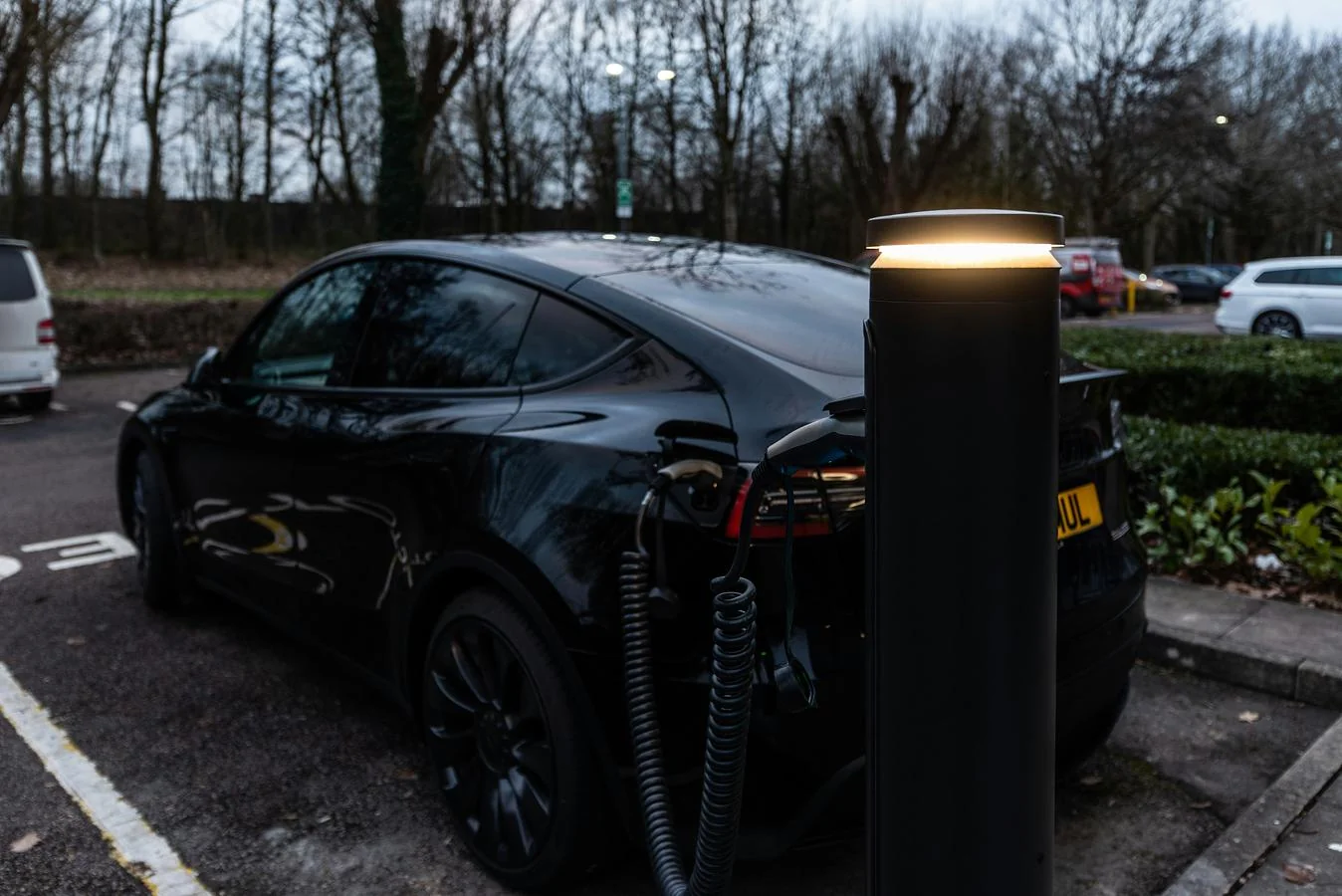
The Reality of Public EV Charging Reliability in South Africa
You've planned your route, checked your range, and pulled into the charging bay-only to find the charger offline or already occupied. It's the scenario that makes prospective EV buyers hesitate, and it's a fair concern in a country where public charging infrastructure is still maturing.
The reality is more nuanced than the horror stories suggest. South Africa now has over 500 public charging points, and drivers on major routes between Johannesburg, Cape Town, and Durban can travel with reasonable confidence. This guide covers which networks perform best, where coverage gaps exist, how load shedding affects availability, and what you can do to avoid arriving at a charger that won't work.
How reliable is public EV charging in South Africa
Public EV charging in South Africa works well along major highway corridors and in metropolitan areas, with over 500 charging points now operational across the country. Networks like GridCars and Rubicon maintain the bulk of this infrastructure, and most drivers travelling between Johannesburg, Cape Town, and Durban can complete their journeys without issue. That said, reliability varies depending on where you are, which network operates the charger, and whether load shedding happens to hit while you're plugged in.
When we talk about reliability here, we're really asking three questions. Is the charger working when you arrive? Is it available, or is someone else using it? And does it actually work with your specific vehicle? On the first point, major networks report uptime above 90%, though smaller independent chargers can be less consistent.
The geographic picture matters too. Chargers cluster heavily in Gauteng, the Western Cape, and KwaZulu-Natal. Once you move into rural areas or smaller provinces, coverage thins out quickly. For drivers sticking to main routes, public charging is genuinely usable. For those heading off the beaten path, a bit of planning goes a long way.
Which charging networks in South Africa are most reliable
South Africa has several major charging networks, and each one operates differently in terms of coverage, app experience, and maintenance. Knowing which network runs a particular charger helps you anticipate what to expect when you arrive.
GridCars
GridCars is the largest independent network in the country, with chargers at shopping centres, office parks, and along major highways. The network uses app-based access and payment, and all chargers are open to any EV brand. Because GridCars has invested in dedicated maintenance teams, uptime tends to be more consistent than with smaller operators.
BMW ChargeNow
BMW ChargeNow stations sit primarily at dealerships and partner locations. While the branding suggests BMW-only access, many stations accept other EVs. Non-BMW drivers can often register for access through the ChargeNow app, though the process varies by location.
Audi Charge
Audi operates chargers mainly at dealerships and select high-traffic spots. Access typically requires an Audi account, though roaming agreements with other networks sometimes allow cross-network use.
Mercedes me Charge
Mercedes me Charge provides access to Mercedes-branded stations plus roaming partners. A single account can unlock chargers across multiple networks, which reduces the number of apps you need to juggle.
Other charging networks
Smaller networks and independent chargers fill gaps in coverage, particularly at hotels, guesthouses, and smaller retail locations. However, uptime and support can be less predictable with these operators. Checking recent reviews before relying on an unfamiliar charger is worth the few minutes it takes.
| Network | Typical locations | App required | Open to all EVs |
|---|---|---|---|
| GridCars | Shopping centres, highways | Yes | Yes |
| BMW ChargeNow | Dealerships, partner sites | Yes | Often |
| Audi Charge | Dealerships, select locations | Yes | Varies |
| Mercedes me Charge | Dealerships, roaming partners | Yes | Varies |
Where public EV chargers are located across South Africa
Charger distribution across the country is uneven. Urban centres and national routes connecting them have solid coverage, while rural areas and smaller towns often have limited or no public charging options.
Gauteng
Gauteng has the highest concentration of public chargers in South Africa. Johannesburg, Pretoria, and the surrounding areas offer multiple options at malls, business parks, and along the N1 and N3 highways. For drivers based in this province, finding a charger is rarely difficult.
Western Cape
Cape Town and its surroundings have good coverage, with chargers extending along the N2 toward the Garden Route. Wine country and coastal towns increasingly have destination chargers at hotels and restaurants, making weekend trips straightforward.
KwaZulu-Natal
Durban metro is well-served, and the N3 highway between Gauteng and Durban has strategic charging stops along the route. This corridor is one of the most EV-friendly long-distance routes in the country, with chargers spaced to allow comfortable travel without range anxiety.
Eastern Cape and other provinces
Coverage drops off considerably outside the three major metros. The Eastern Cape, Free State, Limpopo, and North West have fewer public chargers, which makes route planning essential for longer trips through these areas. Drivers heading into these regions often plan around specific charging stops rather than assuming they'll find one along the way.
How load shedding affects public charger availability
Load shedding refers to South Africa's scheduled power cuts, implemented by Eskom to manage electricity demand when supply falls short. When the grid goes down in an area, most public chargers go offline too.
The impact depends on whether a station has backup power:
- Stations without backup: Go dark during scheduled cuts, which can last two to four hours or longer
- Stations with solar or battery backup: A growing number of stations, including those from Zero Carbon Charge, remain operational during outages
- Planning around outages: Apps like EskomSePush show load shedding schedules by area, allowing you to time charging sessions around planned cuts
The predictability of load shedding schedules is actually helpful here. With a bit of advance checking, you can avoid arriving at a powerless charger or identify stations with backup systems along your route.
Why public EV chargers fail in South Africa
Even when the grid is stable, chargers sometimes don't work. Understanding the common failure points helps set realistic expectations and reduces frustration.
Out-of-service equipment
Hardware failures, delayed maintenance, and occasional vandalism can take chargers offline. Networks with dedicated maintenance teams typically resolve issues faster than independent operators, which is one reason why sticking to major networks often means fewer surprises.
Occupied chargers and wait times
With a limited number of stations, chargers at popular locations are often in use. ICE-ing, where petrol or diesel vehicles park in EV bays, also blocks access. Some locations have started enforcing EV-only parking rules, though enforcement remains inconsistent.
Payment and app failures
Connectivity issues, app crashes, and card reader malfunctions can prevent a charge from starting even when the hardware itself is functional. Keeping multiple network apps installed with payment methods already saved reduces the chance of being stuck at a working charger you can't activate.
Connector compatibility issues
Different EVs use different connector types. The three main standards in South Africa are CCS, CHAdeMO, and Type 2. Not every charger supports every connector, so confirming compatibility before travelling to a specific station avoids wasted trips.
How to check charger availability before you arrive
Arriving at a broken or occupied charger wastes time and creates unnecessary stress. A few simple checks before you leave can prevent this.
Use network apps for live status
GridCars, ChargeNow, and other networks show real-time availability in their apps. Green typically means available, while red indicates occupied or offline. This information updates frequently, though not always instantly, so treat it as a guide rather than a guarantee.
Check aggregator maps
PlugShare and Open Charge Map aggregate chargers across multiple networks into a single view. For South Africa-specific filtering by network, EV Cost Calculator's charging station map displays 148 stations with filters for GridCars, BMW ChargeNow, Audi Charge, Mercedes me Charge, and others.
Call ahead for critical stops
For long trips where a specific charger is the only option for a significant stretch, phoning the location directly confirms the charger is operational. Hotels, shopping centres, and service stations can usually tell you whether their charger is working before you commit to the route.
Why home charging is the most reliable option in South Africa
Most EV owners in South Africa charge at home overnight and use public chargers only for topping up during the day or on long trips. Home charging sidesteps nearly every reliability concern that comes with public infrastructure.
- Consistency: Your home charger is always available when you need it, with no competition for access
- Cost control: Home charging uses predictable provincial electricity tariffs, typically around R3/kWh compared to R7/kWh or more at public DC chargers
- Convenience: Plugging in overnight means starting each day with a full battery, eliminating the need for most public charging stops
To estimate what home charging would cost for a specific EV in your province, EV Cost Calculator's charging costs tool uses NERSA/Eskom 2024/25 tariffs and lets you adjust the charge range to match real-world usage patterns, such as 20% to 80%.
What to do when a public charger fails
Even with careful planning, you'll occasionally encounter a non-functional charger. Having a backup approach keeps a minor inconvenience from becoming a major problem.
First, locate the nearest alternative charger using your network app or an aggregator map. Filtering by connector type ensures the backup station actually works with your vehicle. Second, contact the network's support line to report the fault. Most apps include support contact information, and reporting issues helps other drivers while potentially getting you troubleshooting assistance.
Third, if you're genuinely stuck with insufficient range to reach another charger, some EV brands and insurers offer roadside assistance that includes mobile charging or towing to the nearest working station. Checking whether your vehicle or insurance includes this coverage before you need it is worthwhile.
Pros and cons of public EV charging in South Africa
For drivers weighing EV ownership, here's a balanced view of what public charging currently offers.
Advantages of public EV charging
- Enables long-distance travel beyond what home charging alone allows
- Faster than home charging when using DC fast chargers, with 20% to 80% taking roughly 20 to 40 minutes
- Expanding network with new stations added regularly along major routes
Disadvantages of public EV charging
- Inconsistent availability due to equipment issues, load shedding, and occupied bays
- Geographic gaps outside Gauteng, Western Cape, and KwaZulu-Natal metros
- Variable pricing across networks, with rates ranging from around R5 to R10 per kWh depending on the operator and charger speed
Plan your EV charging with real South African data
Understanding both reliability and cost helps you plan with confidence. Public charging works well for most drivers on major routes, while home charging handles daily driving at lower cost and higher reliability.
To see what charging would cost for a specific EV in your province using real NERSA/Eskom tariffs, try EV Cost Calculator's charging costs tool. Select your vehicle, choose your province, and adjust the charge range to match how you'd actually use it day to day.
FAQs about public EV charging reliability in South Africa
Are public EV charging stations in South Africa safe to use at night?
Most public chargers are located at well-lit sites like shopping centres and fuel stations. Normal safety precautions apply, as with any public stop after dark.
How much does it cost to charge an electric car at a public station in South Africa?
Public DC fast chargers typically cost R7 to R10 per kWh, compared to around R3 to R4 per kWh for home charging on residential tariffs.
What is the 80% charging rule for electric vehicles?
Charging to 80% is common practice because charging speed slows significantly above this level, and stopping at 80% reduces long-term battery wear.
How long does it take to charge an EV at a public DC fast charger?
A typical fast charge from 20% to 80% takes roughly 20 to 40 minutes, depending on the vehicle's battery size and the charger's power output.
Do all electric vehicles work with all public chargers in South Africa?
No. Different EVs use different connector types, including CCS, CHAdeMO, and Type 2. Checking your vehicle's connector before travelling to a specific station avoids compatibility issues.